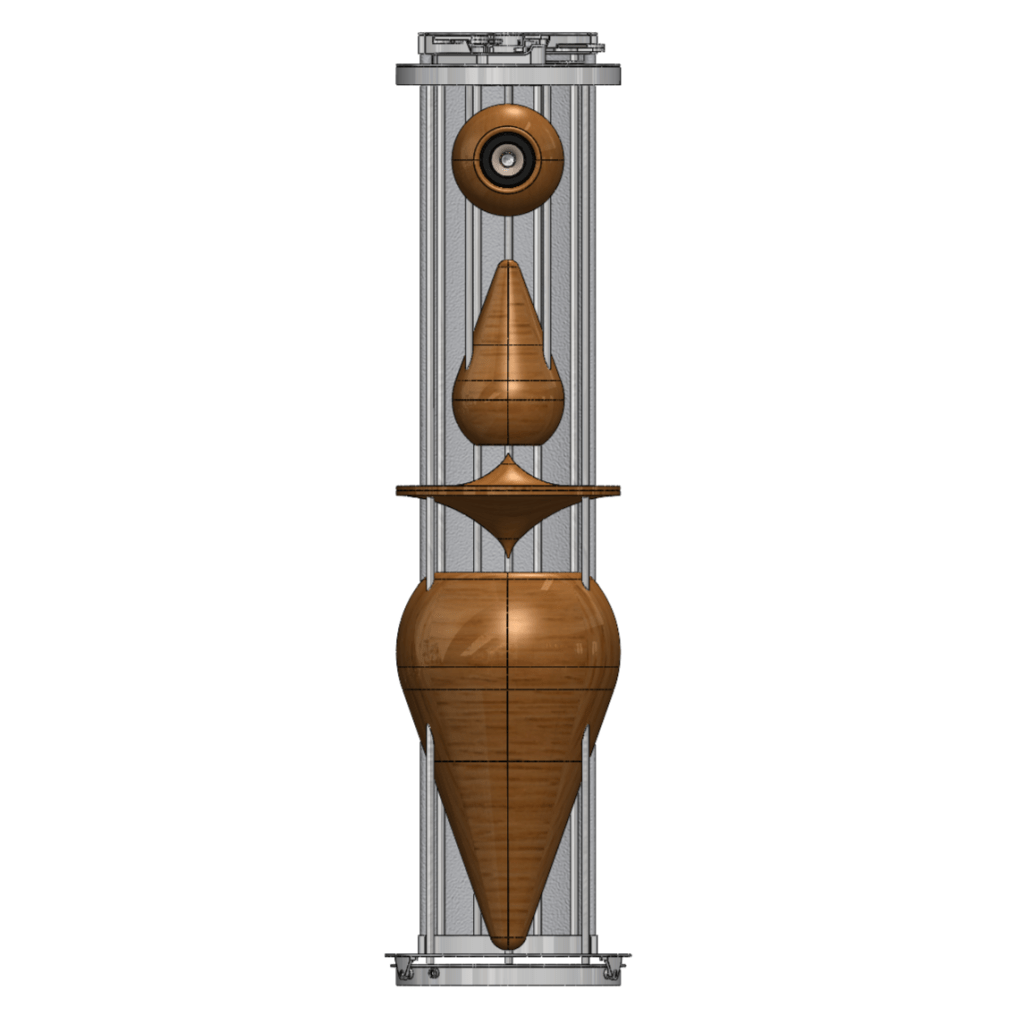
The Levity audio system was designed on my plane from Florence to Vancouver; on the returning flight, the week of artist inspiration culminated into a furry of drafts in my travel sketchbook.
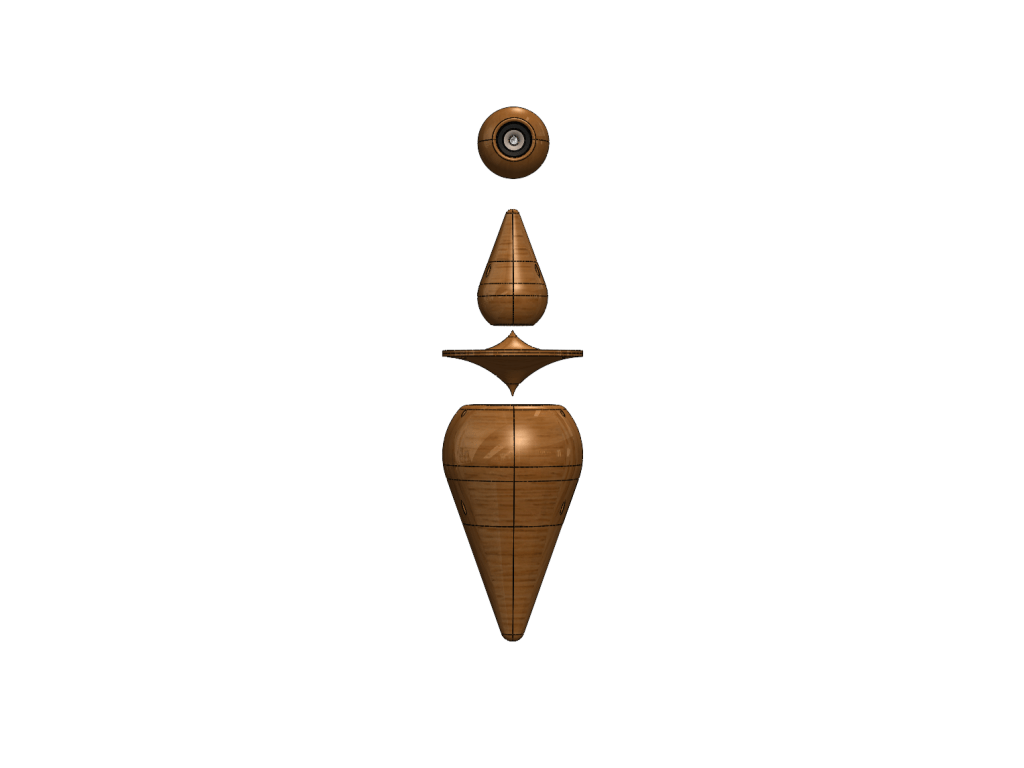
After over 12 months of drafting, origami, and sculpting, the final form came to be: effortlessly floating droplets, in perfect balance, in a natural form reminiscent of the human body, standing proud.
As Dostoyevsky said in The Idiot, Beauty will Save the World
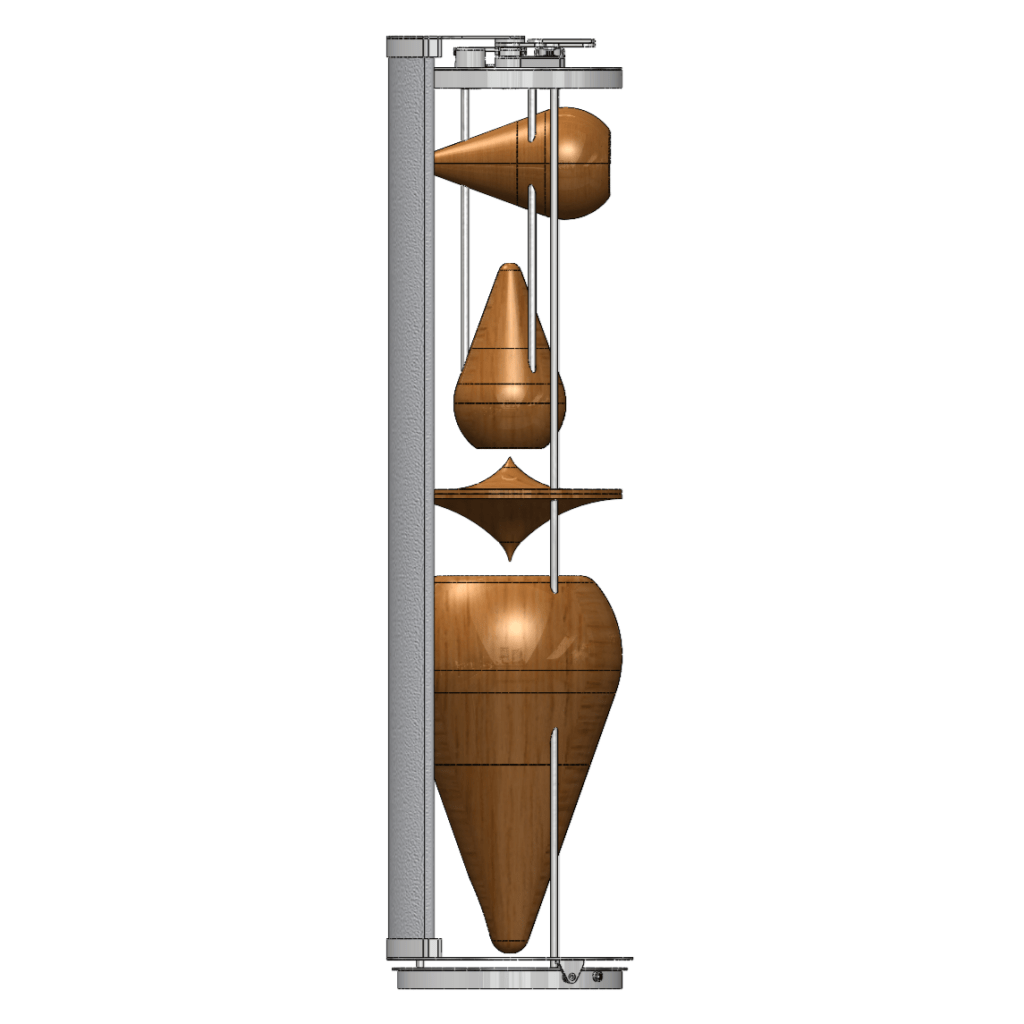
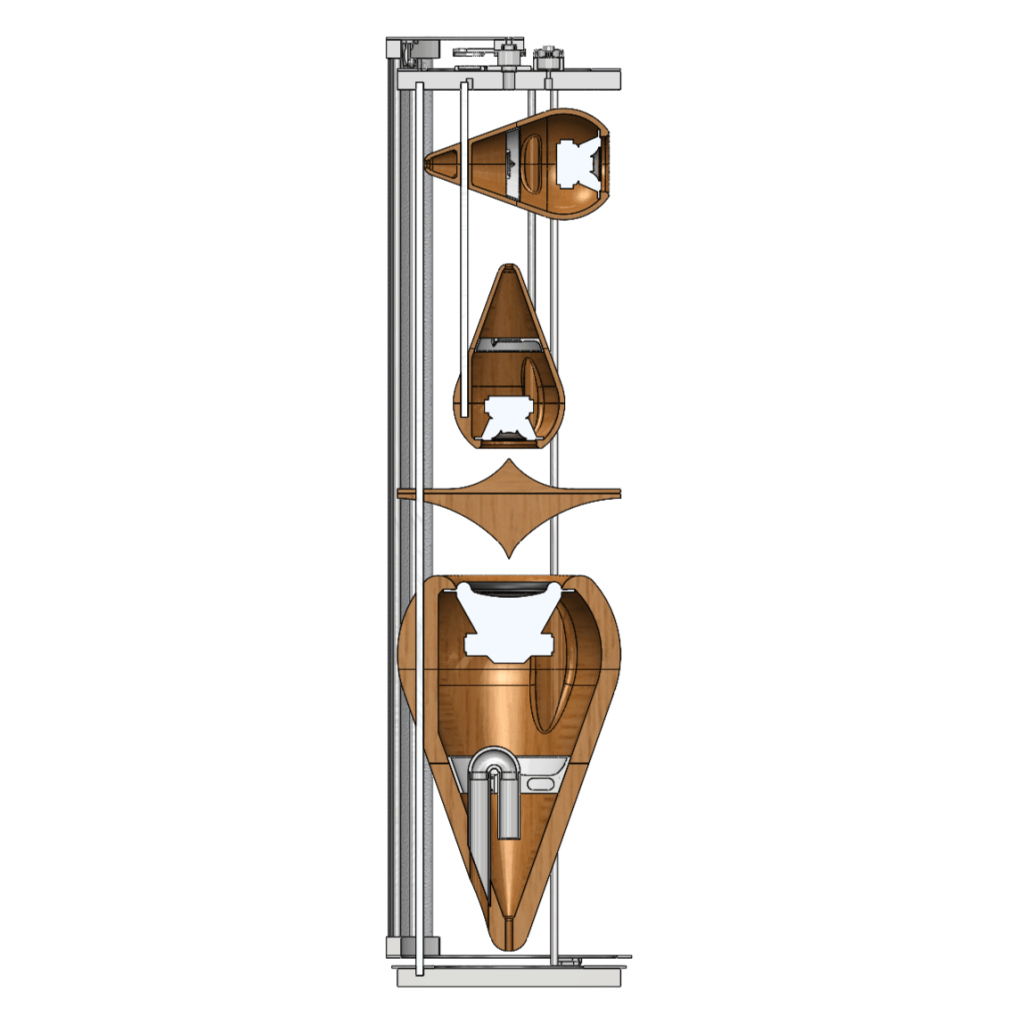
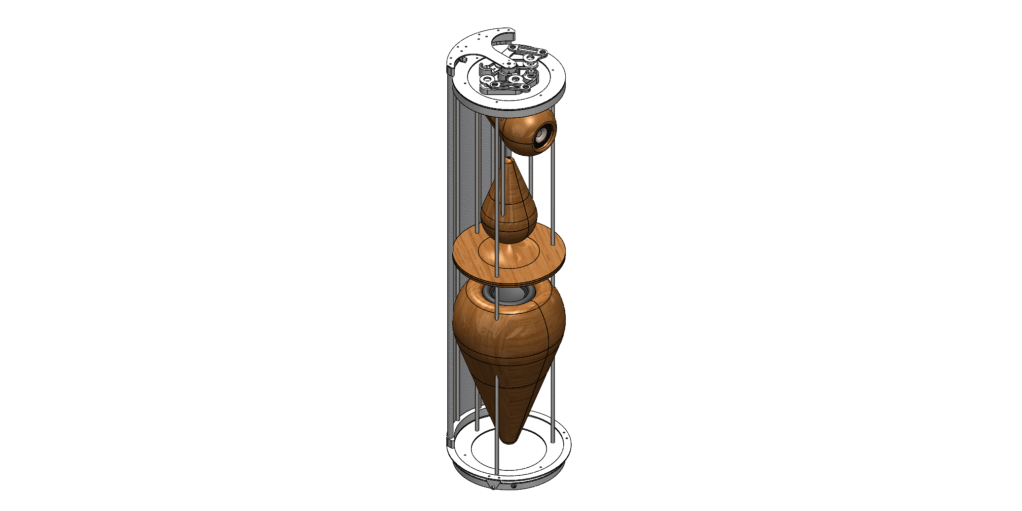
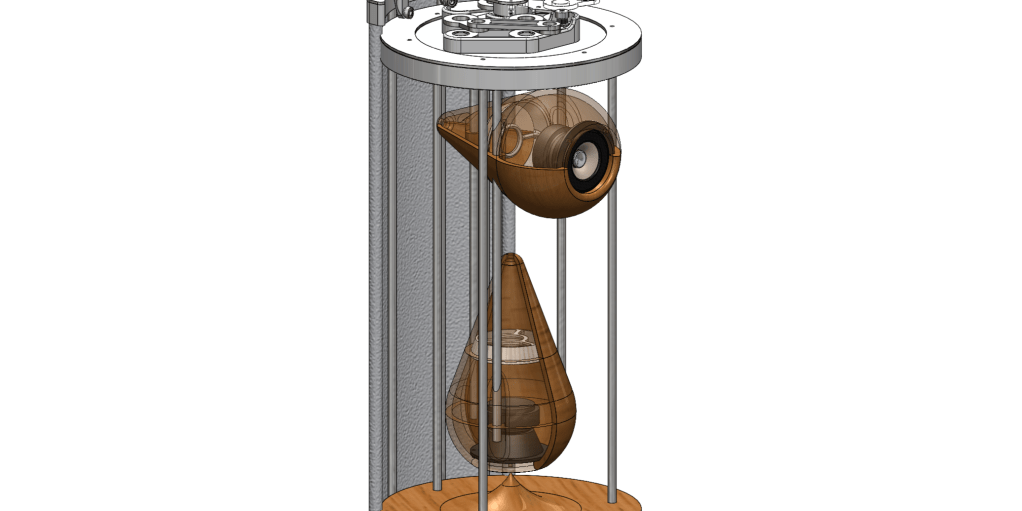
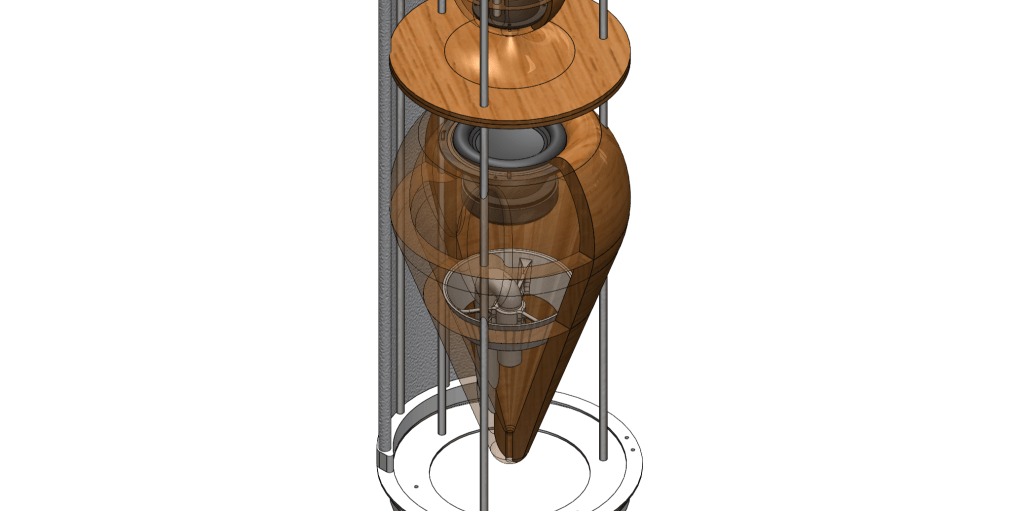
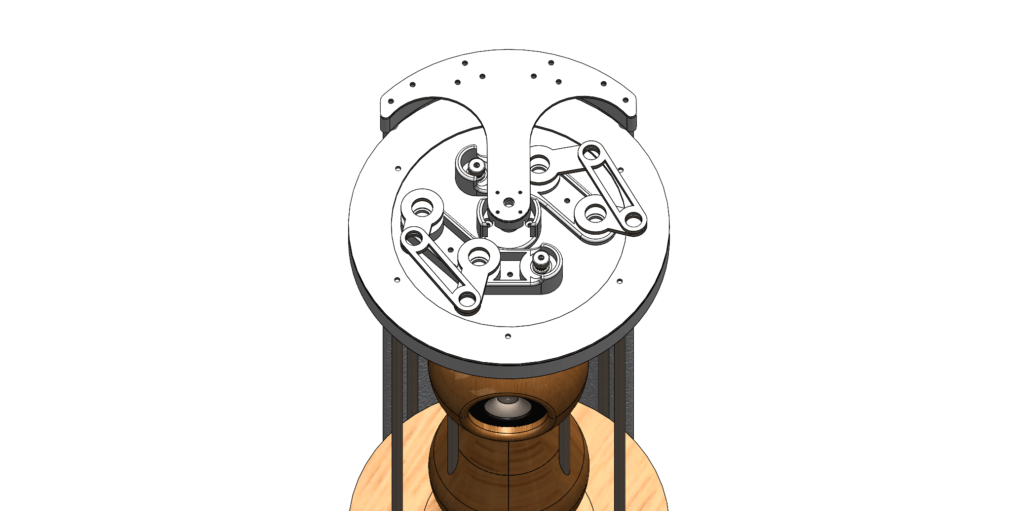
Two full-range drivers are mounted in a directional and omni-directional orientation. Many debates have stood in the audiophile industry of omni-directional designs; they sacrifice SPL with the heavy effects of wall reflection. However, these reflections create a flowing space of sound, much like a live venue.
As most audio endeavors go, it is a balance between technical accuracy (sound reproduction) and the immeasurable experience (how it feels).
Reading a short book on the Japanese design philosophy of hodo-hodo solidified my approach. A designer, like myself, must avoid designing, and fully constraining, a system for its intended use. The final user must have the power, and ability, to see the form to their own fit.
This gave my confidence in integrating direct point source audio with omni-directional speakers. I designed a 12 step L-pad attenuator to maintain system impedance while lowering driver output in a continuous manor.
The veil would be rotated by the user, changing the sound profile, and experience, to their choosing, whether fully omnidirectional, a 10 step increment of combination, or fully directional.
Most importantly, this system was passive, being built of a 62 resistor array in either channel. No buttons, no power supply, but an analog +/- cable alone.
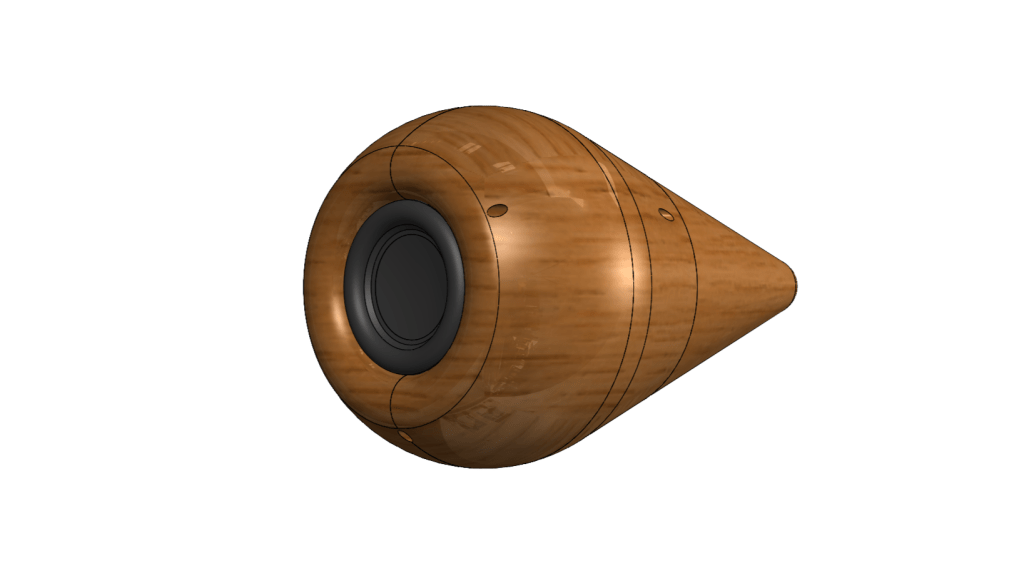
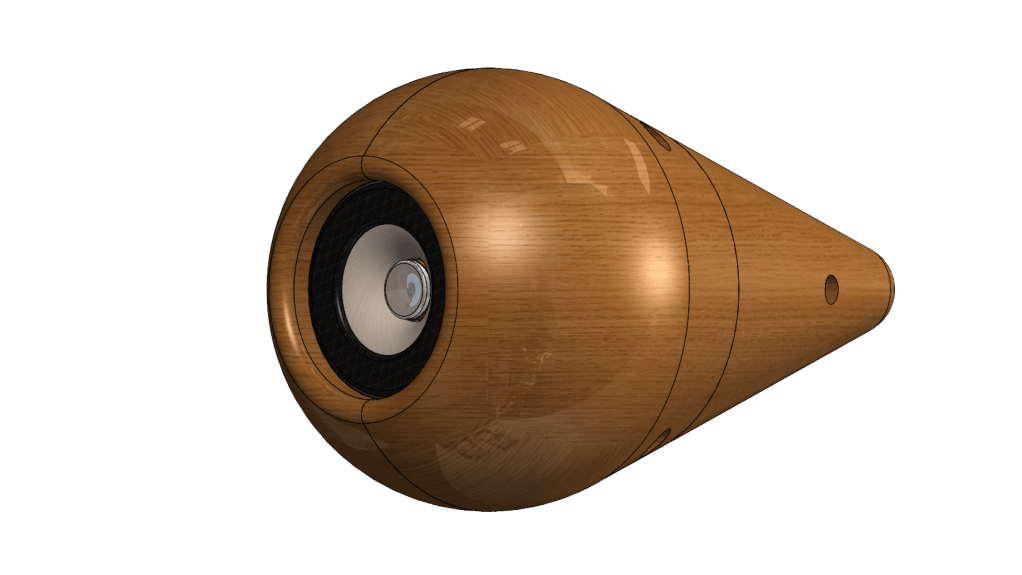
Prototypes have been made and tested, as well as the L-pad array, with final production awaiting time and space for wood stock. All parts are in-hand and awaiting the hundreds of hours of manufacturing.
 Raven Caron
Leave a comment