Author: ravencaron

  • Skoden – Liquid Rocket – Avionics & Fincan

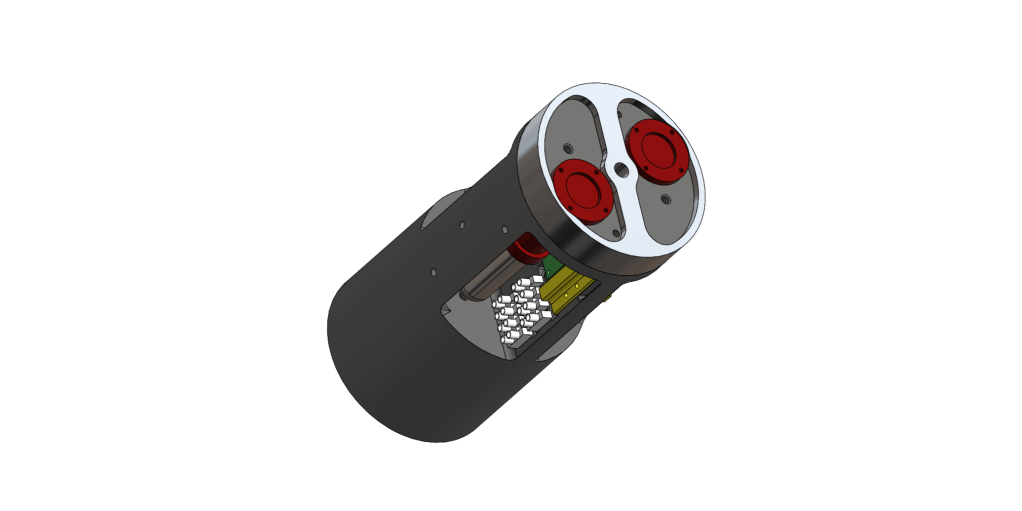
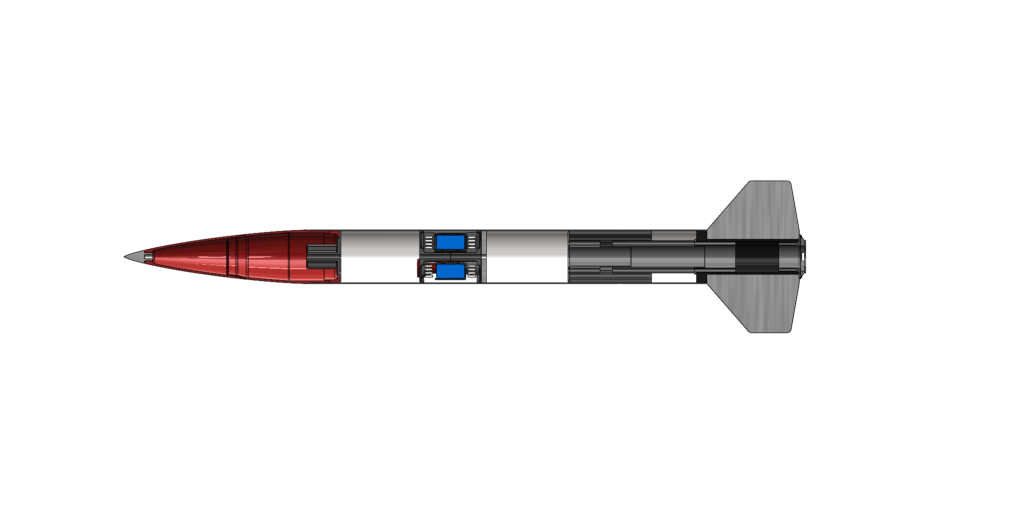
    Skoden is my Engineering Design Teams Liquid Rocket project. I have been handling the Airframe of this project, including the nosecone, avionics, fincan, and engine chamber.

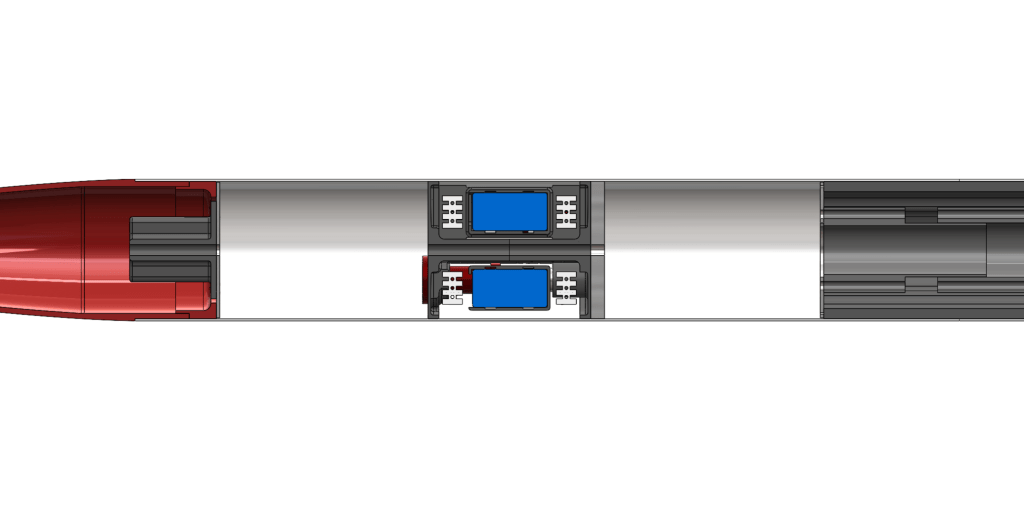
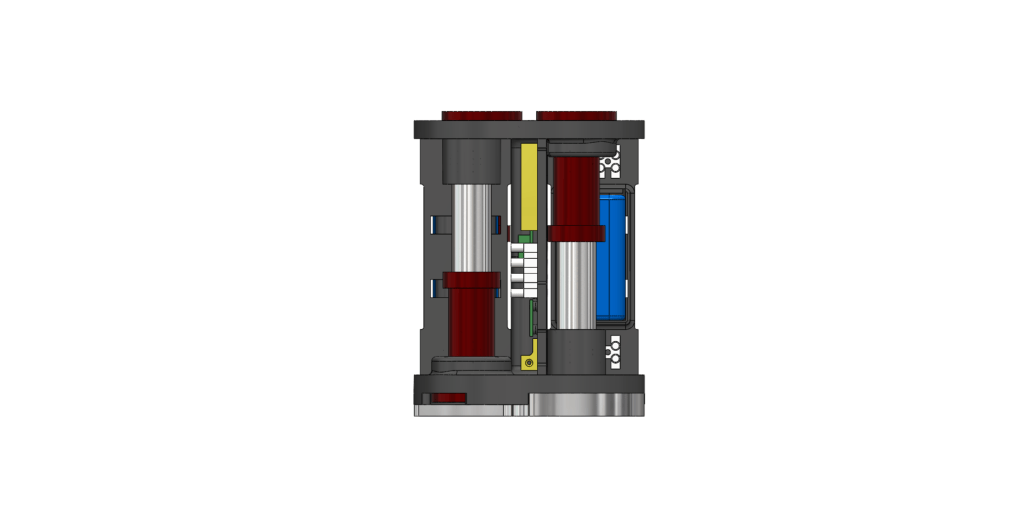
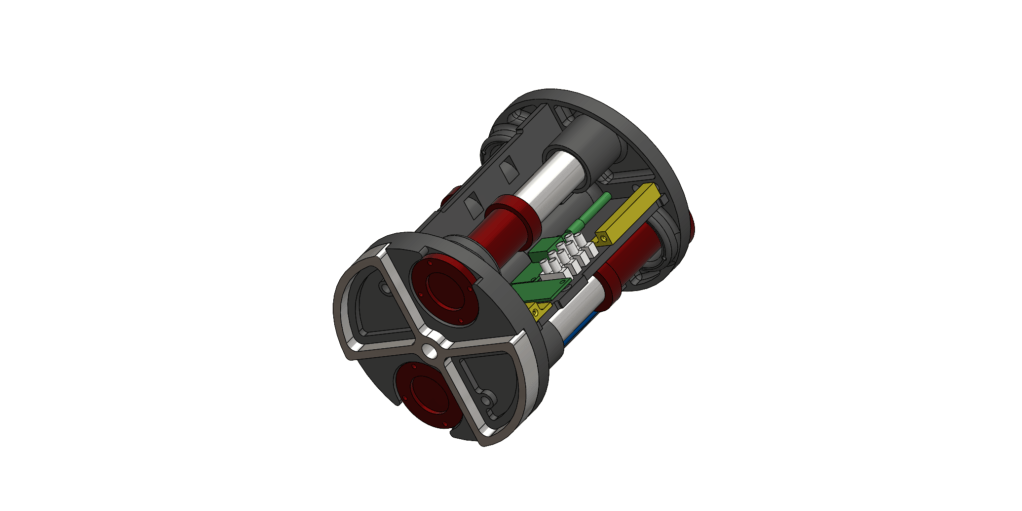
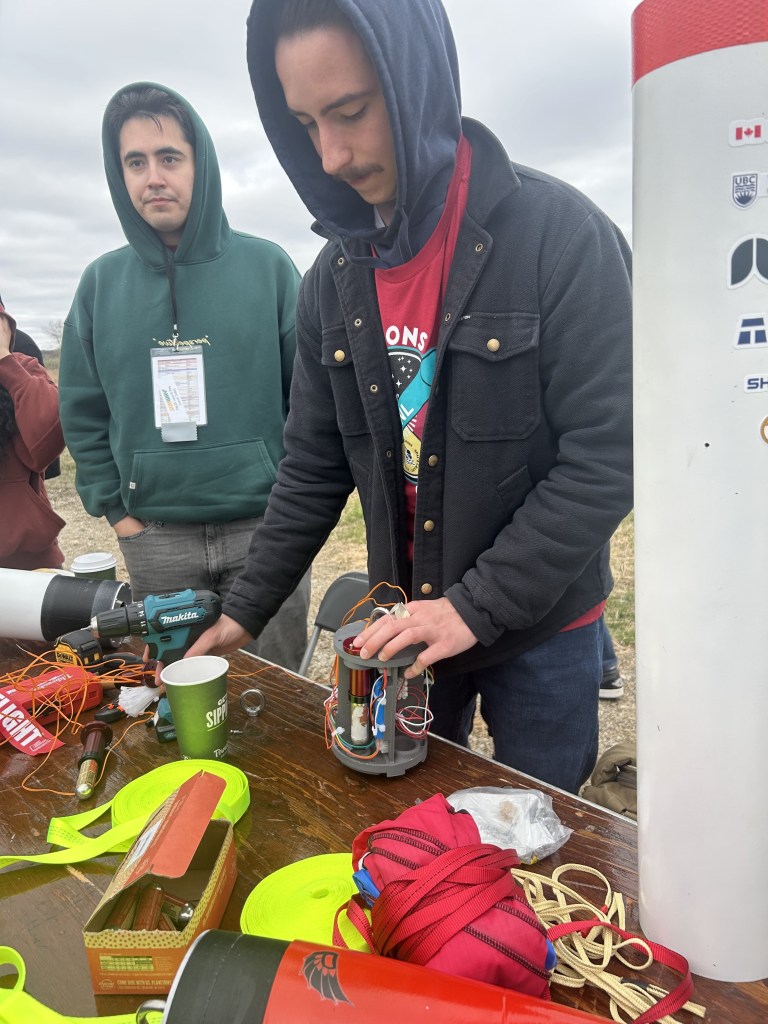
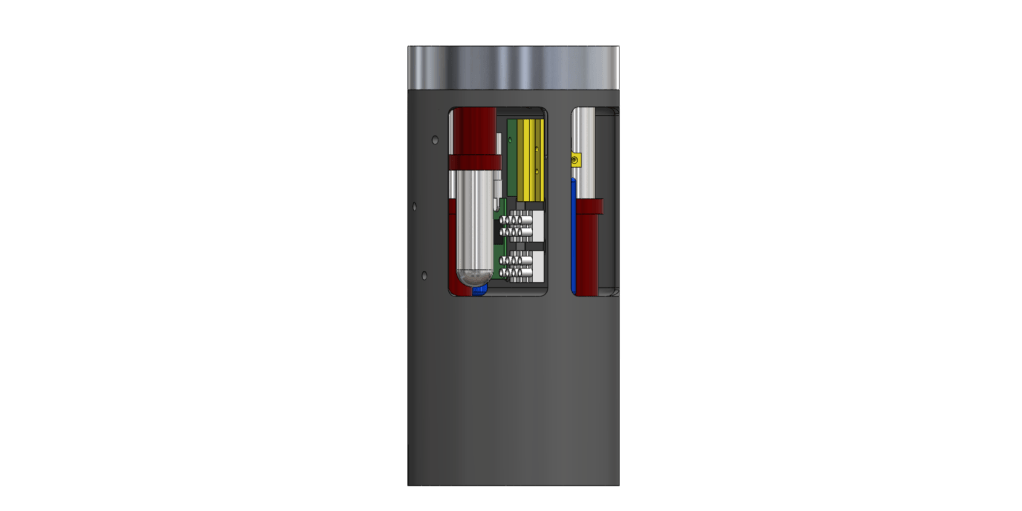
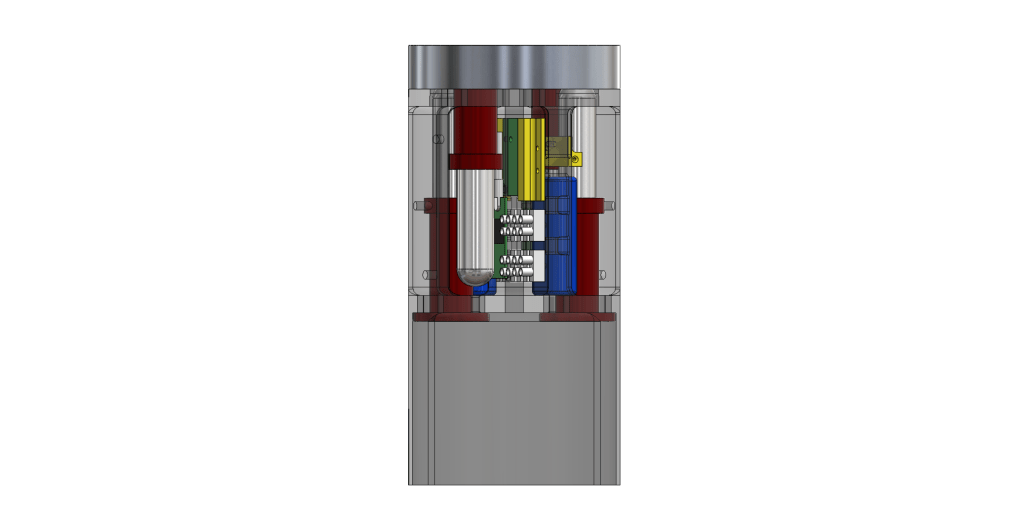
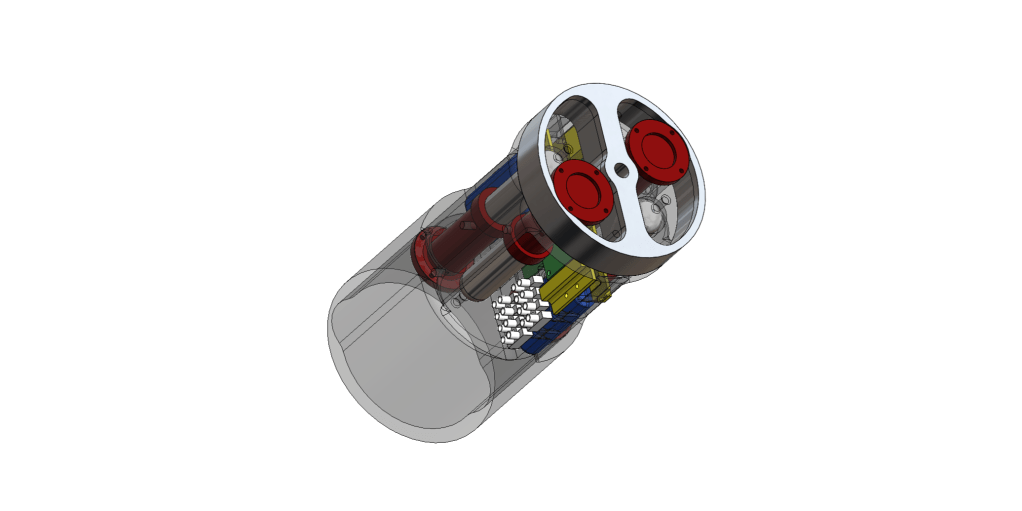
    The avionics bay was a challenge to design due to the 5inch ID of the bodytube — half an inch less and our avionics would have to be distributed over much more length, forcing the rocket to become overstable due to increased length (notice below how close the red CO2 ejectors are to the support ring)
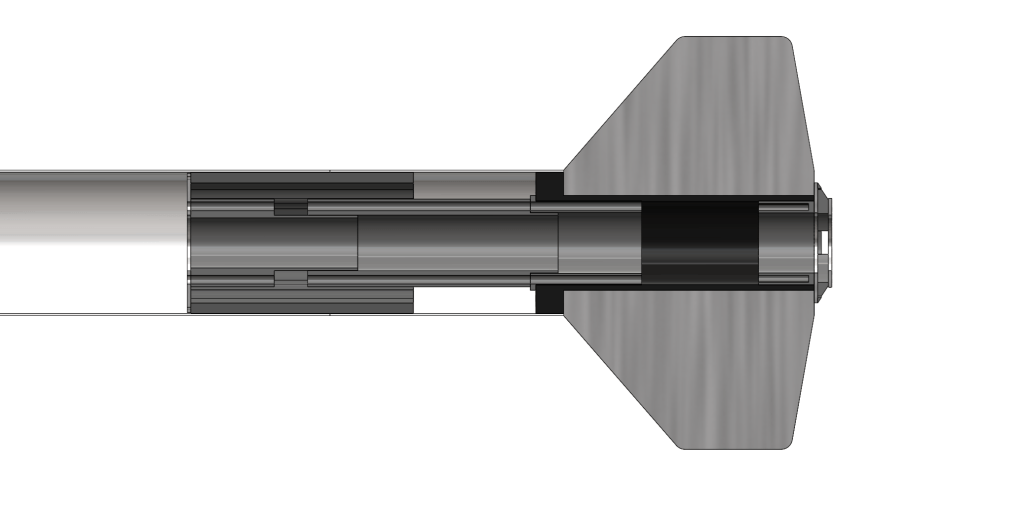
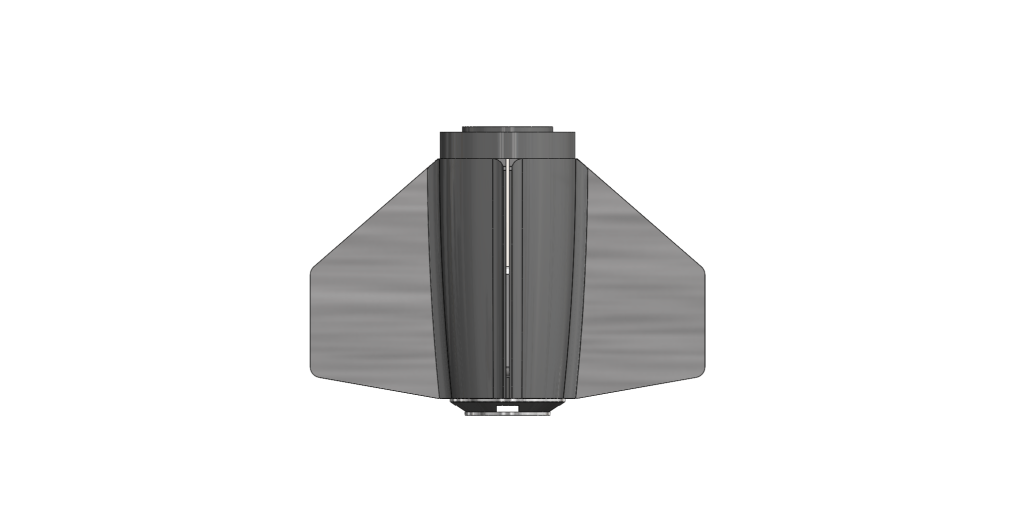
    The fincan entailed a different challenge; how to manufacture a thin walled part, and constrain it, from the heads of bolts alone, while assembly required this is the final component of installation.

    Two design concepts were made; one as a single piece, and another, shown below, with concentrically aligned portions (the inner section is constrained from the bolt heads and follows the boat tail geometry, and the outer section holds the finds and is epoxied to the inner while resting on a rear lip)
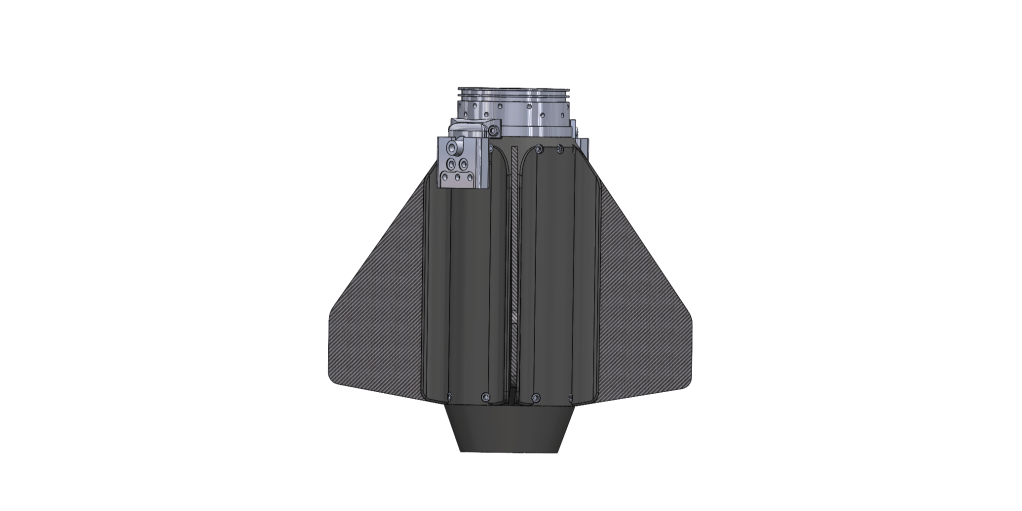
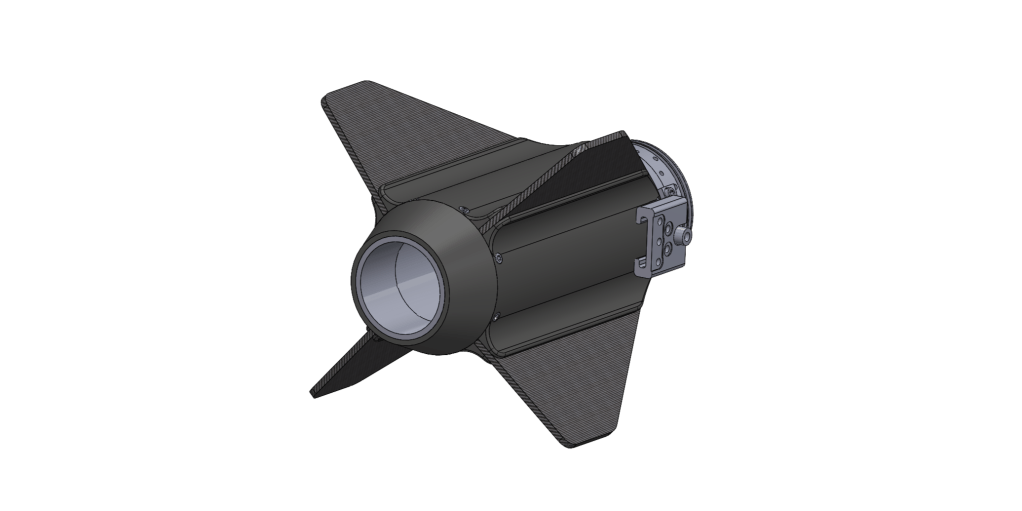
    Both these designs saw multiple revisons, and as shared, the fincan has two parralel concepts, but both were designed in 3 days total (during 3 evenings after my internship).

    Although speed is not the primary goal in engineering, I thrive when high-stakes challenges are presented, or I create that tone within personal goals. This allows more time in Conceptualization and Ideation, while CAD and Manufacturing delivers fast prototyping.
  • Stoodis – High Power Rocket

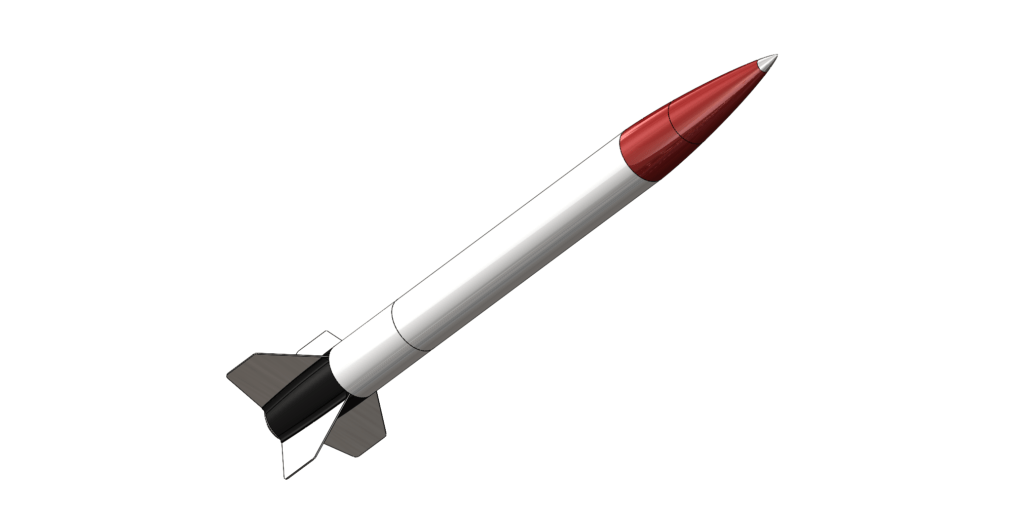
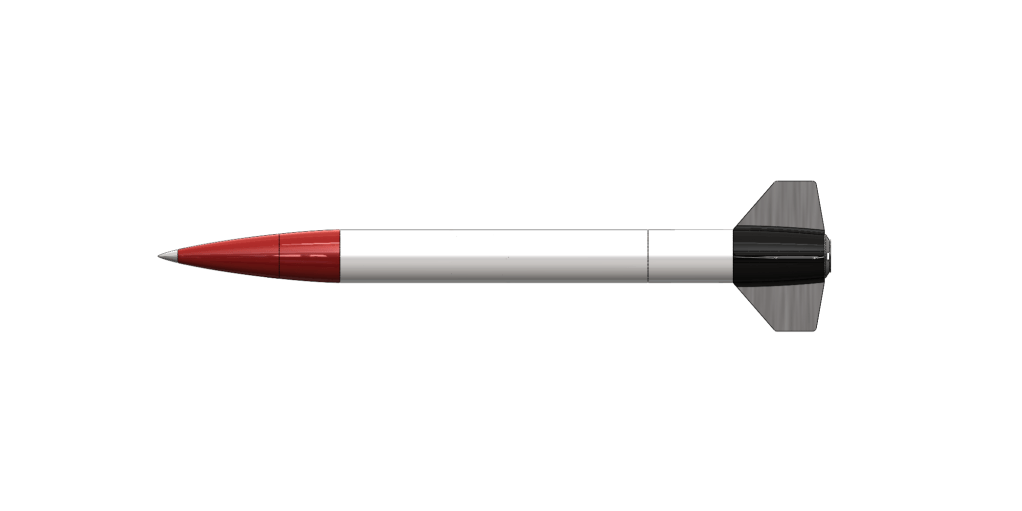
    Stoodis is a 5-inch diameter HPR designed to handle a 75mm solid Aerotech motor, adapted for use with a 54mm motor for NASA’s First Nation Launch competition.

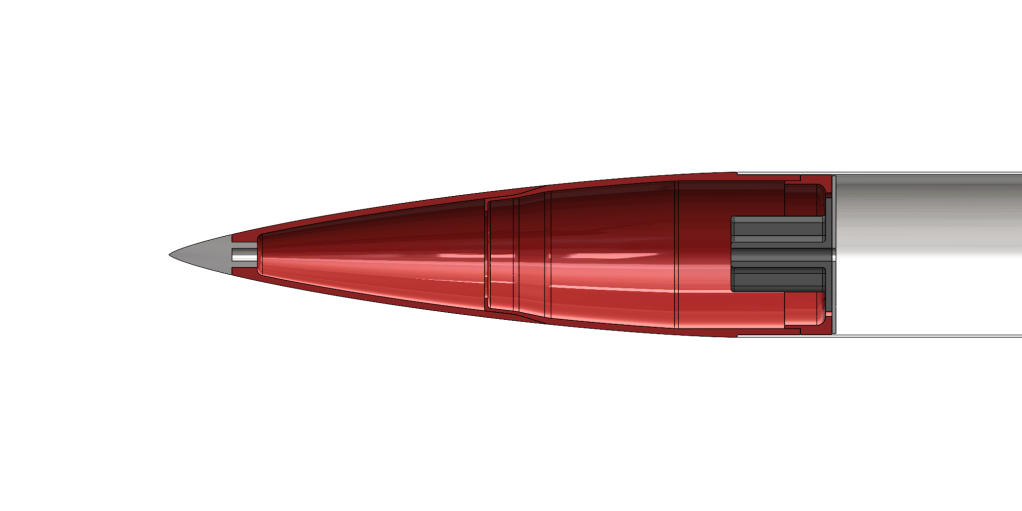
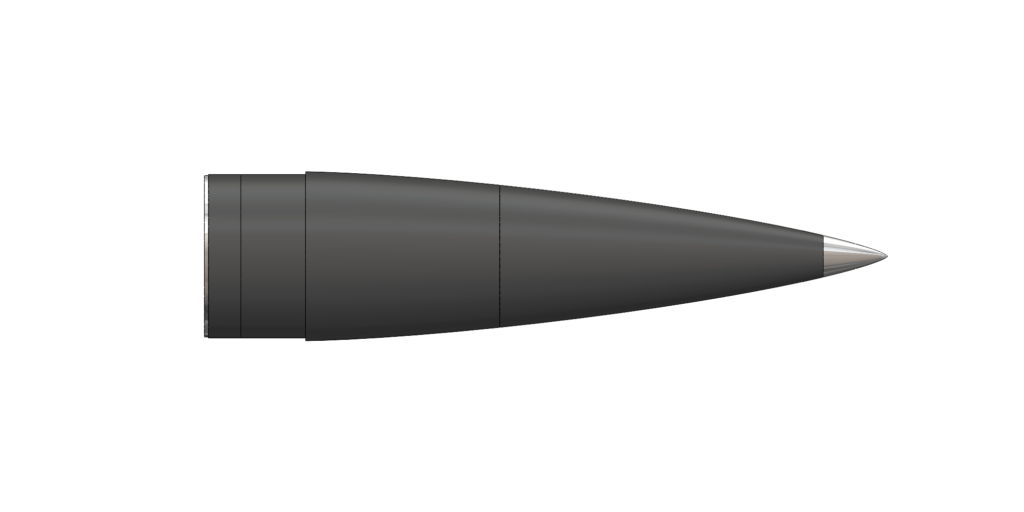
    This rocket involved 3D Printing of PA6GF (for the avionics to allow GPS and Radio communications) and PA612CF (for the nosecone, bulkheads, couplers, and fincan due to its high modulus and low density) as well as Waterjet cutting of 6061-T6 Aluminum (for the plates and fins due to stiffness) and CNC machining of a nosecone tip (to protect the nosecone during launch from heat, during descent from collisions with ground, and as securement for a threaded rod running to an eyenut and parachute).

    Above are multiple screenshots of my Solidworks design, including the full rocket, nosecone with electronics payload, avionics bay within the bodytube, fincan and engine ejection/adapters, and more in-depth views of the individual assemblies.

    This design took 3 weeks to complete, with 1 of those weeks for the avionics bay alone; as I was in school and completing Capstone, it was a challenge juggling the complete CAD and Manufacturing of two simultaneous projects.

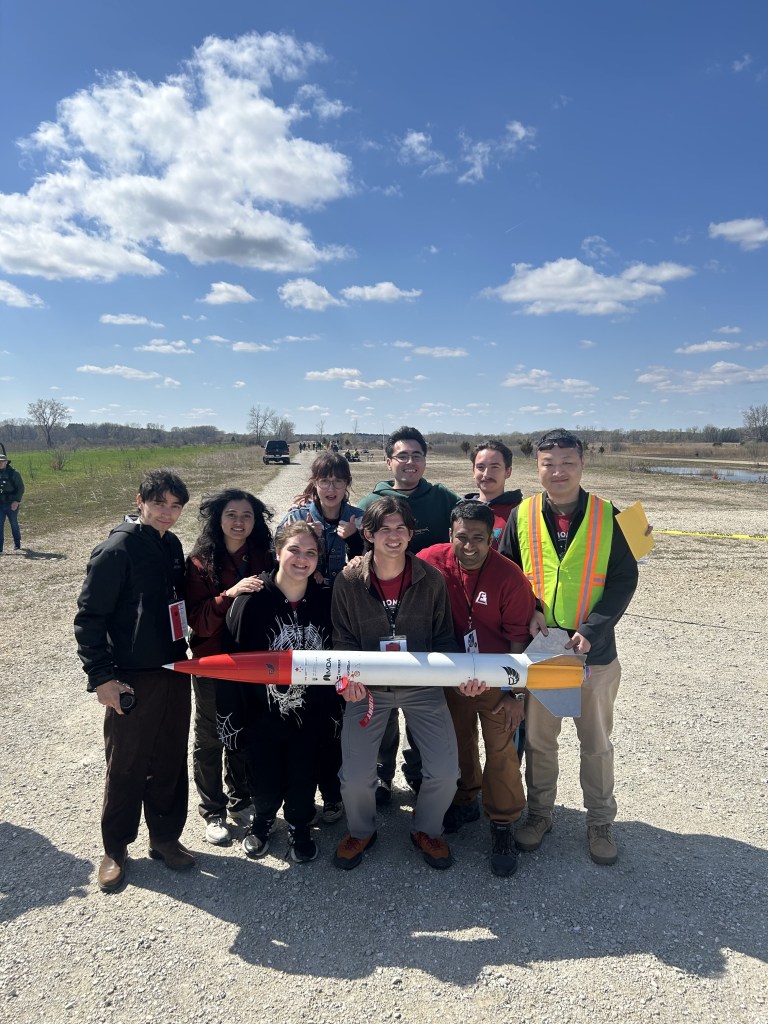
    Above is an image of my Engineering Design Team holding Stoodis before out launch in Kenosha, WA.

    This rocket flew above 3000ft from a K535W Aerotech Motor and was recovered only 50 metres from the launchpad (in fact, one of our team members caught the nosecone before it hit ground)

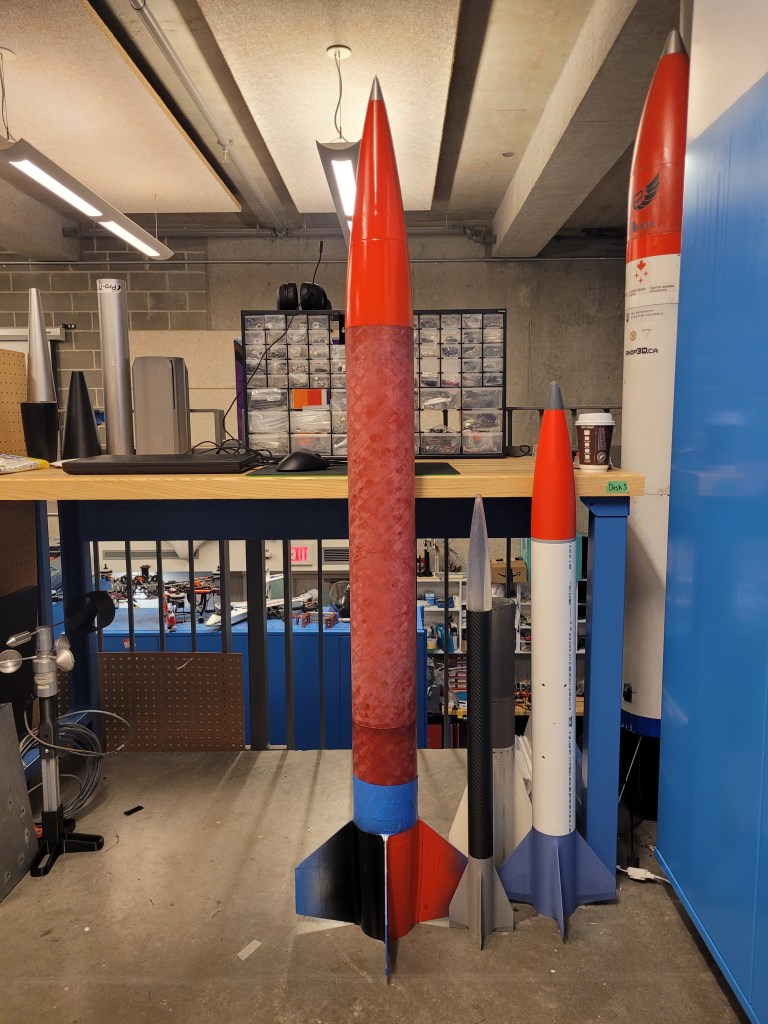
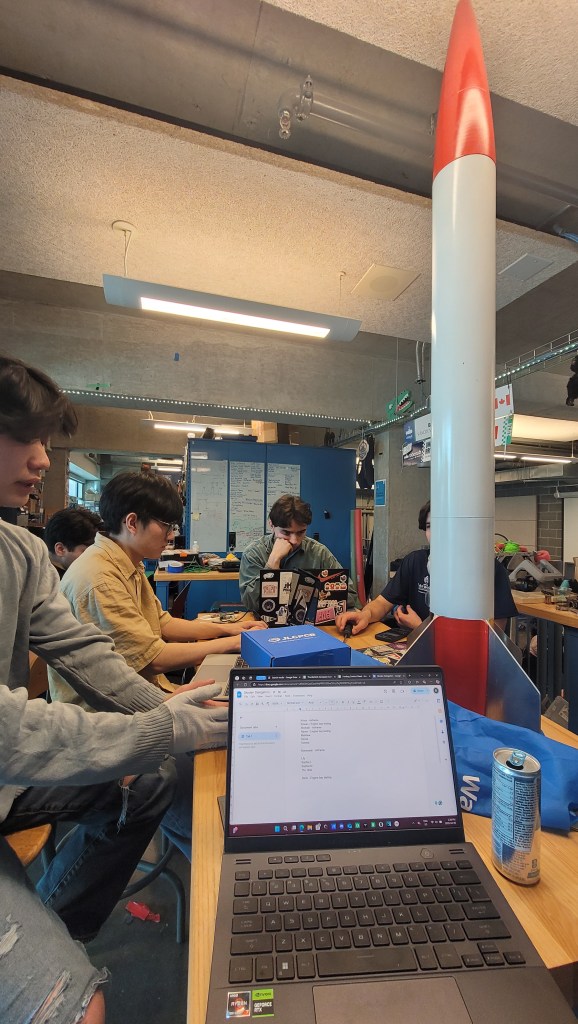
    Above are some images of Stoodis throughout its development. I received much assistance in sanding, painting, and polishing (which always takes more time than planned for glossy finishes).

    Stoodis is an example of a fast-paced project with high-stakes; after Launch is initiated, all one can do is watch and pray; pray that robust engineering and manufacturing withstands the roughest test — and it did.

  • Levity Audio System

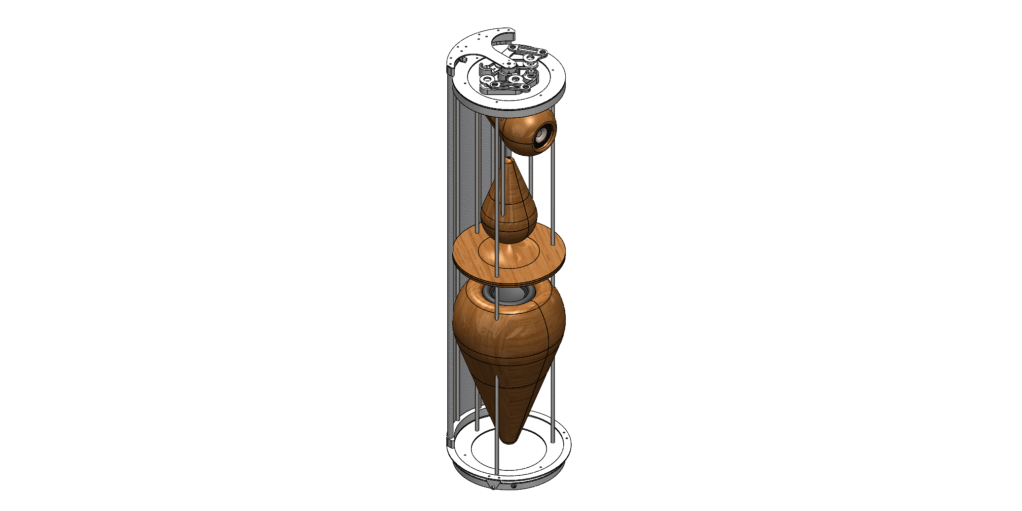
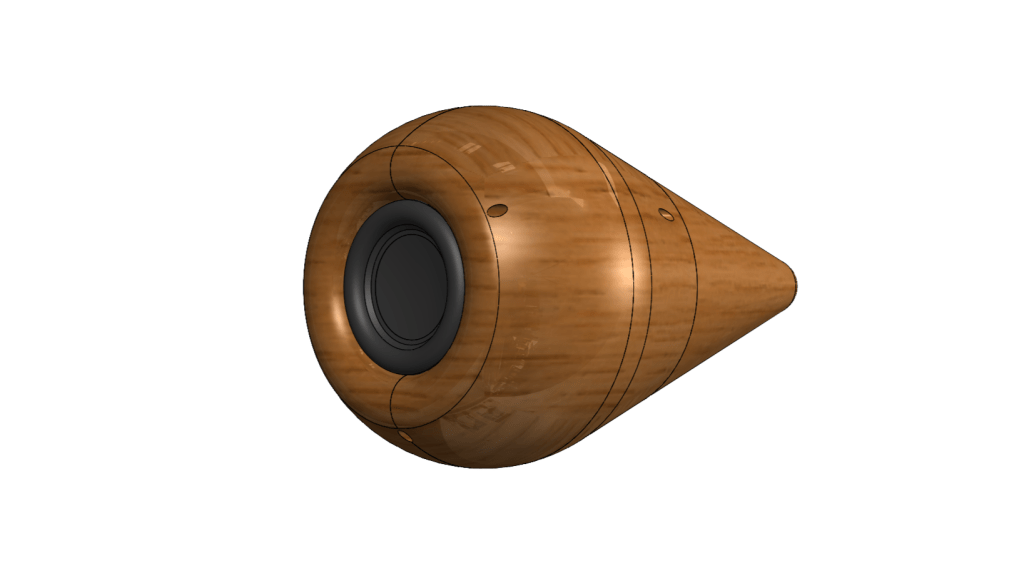
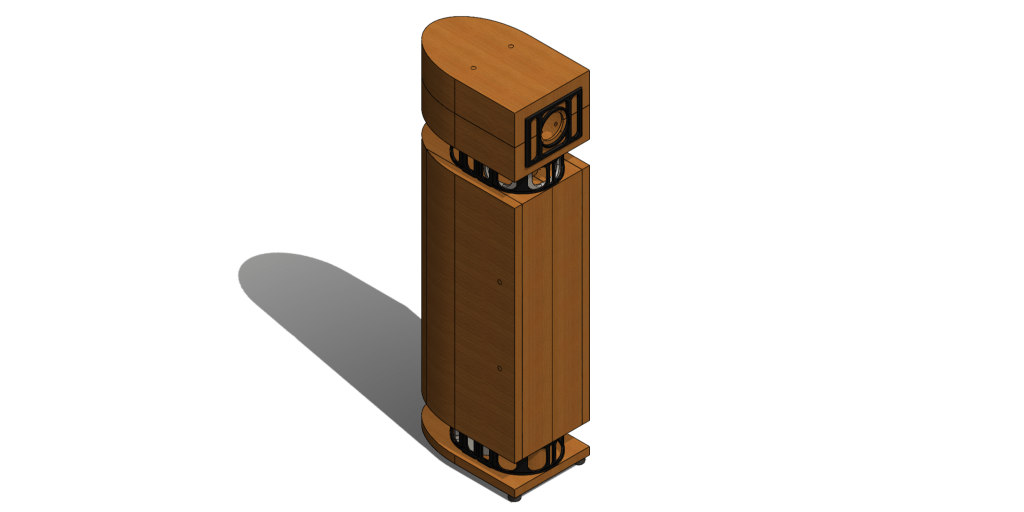
    The Levity audio system was designed on my plane from Florence to Vancouver; on the returning flight, the week of artist inspiration culminated into a furry of drafts in my travel sketchbook.

    After over 12 months of drafting, origami, and sculpting, the final form came to be: effortlessly floating droplets, in perfect balance, in a natural form reminiscent of the human body, standing proud.

    As Dostoyevsky said in The Idiot, Beauty will Save the World

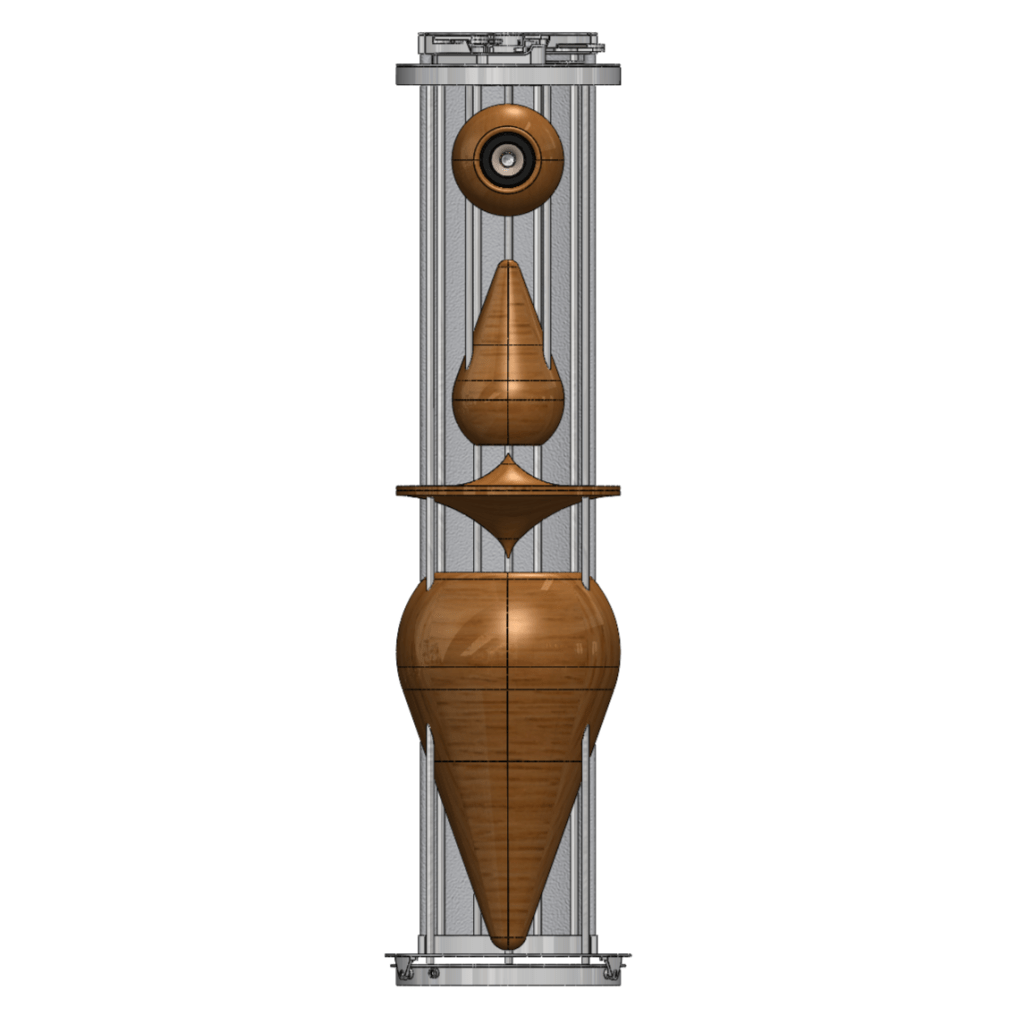
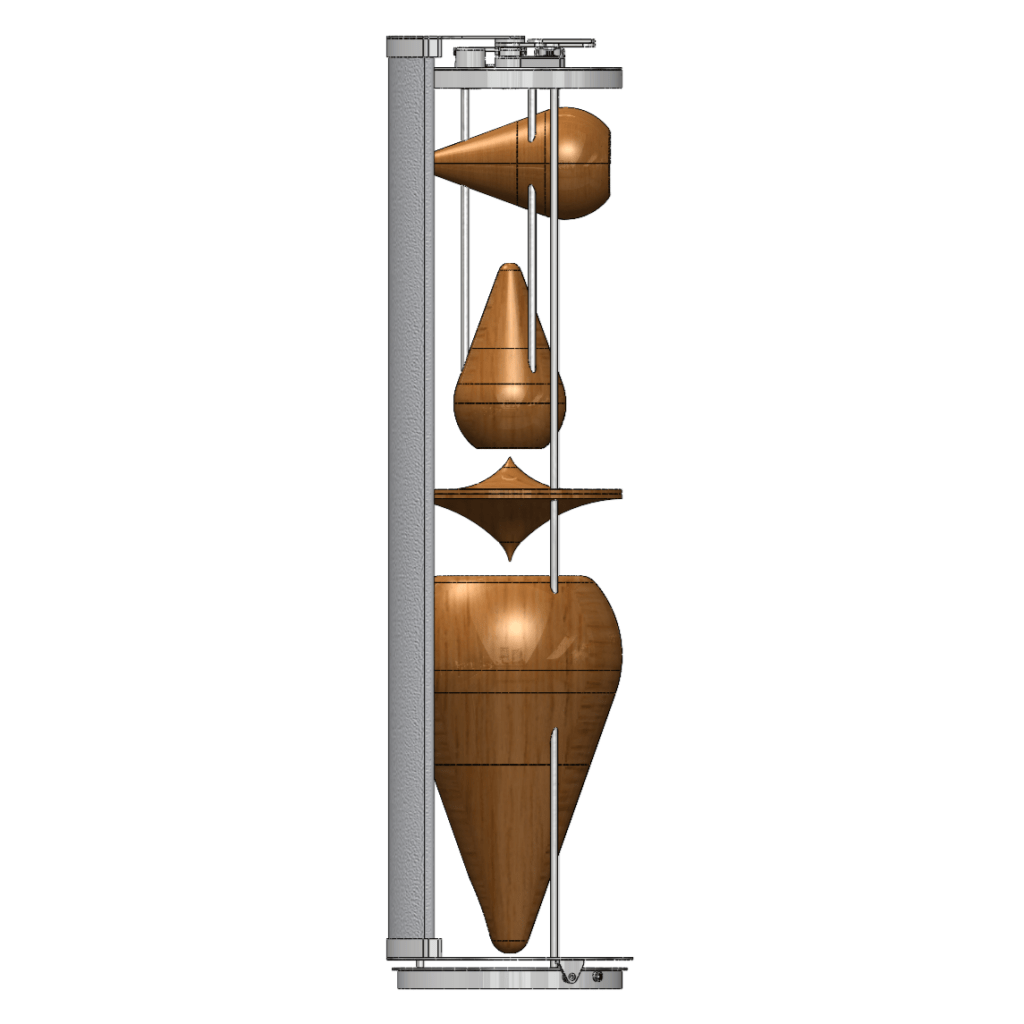
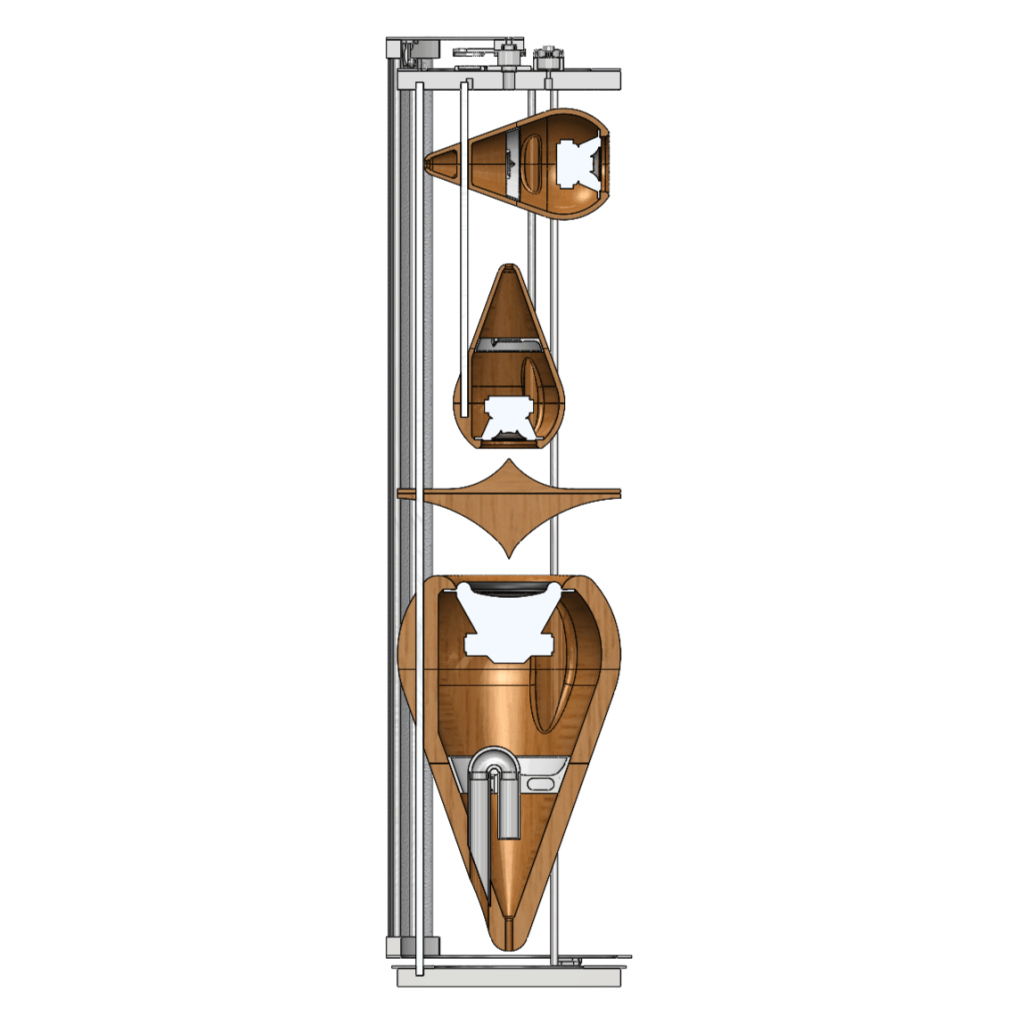
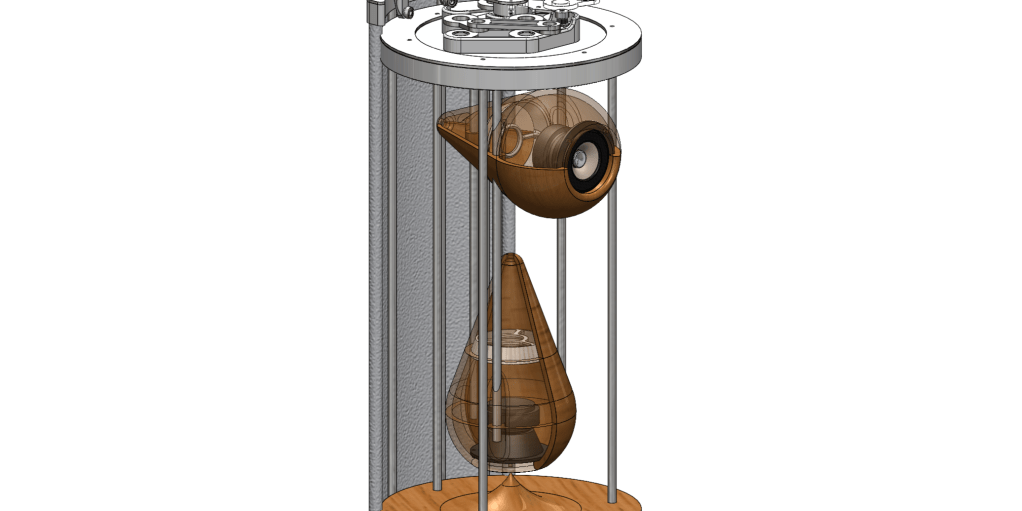
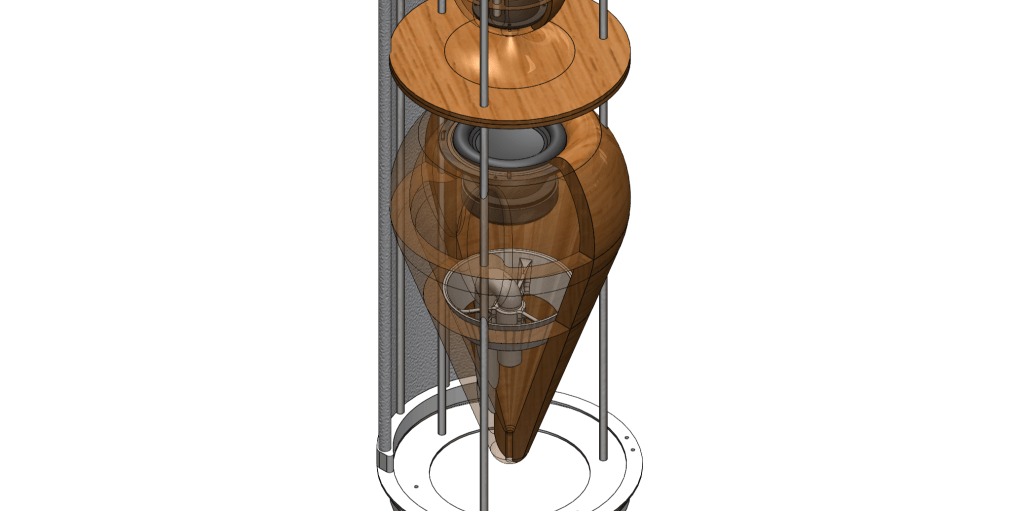
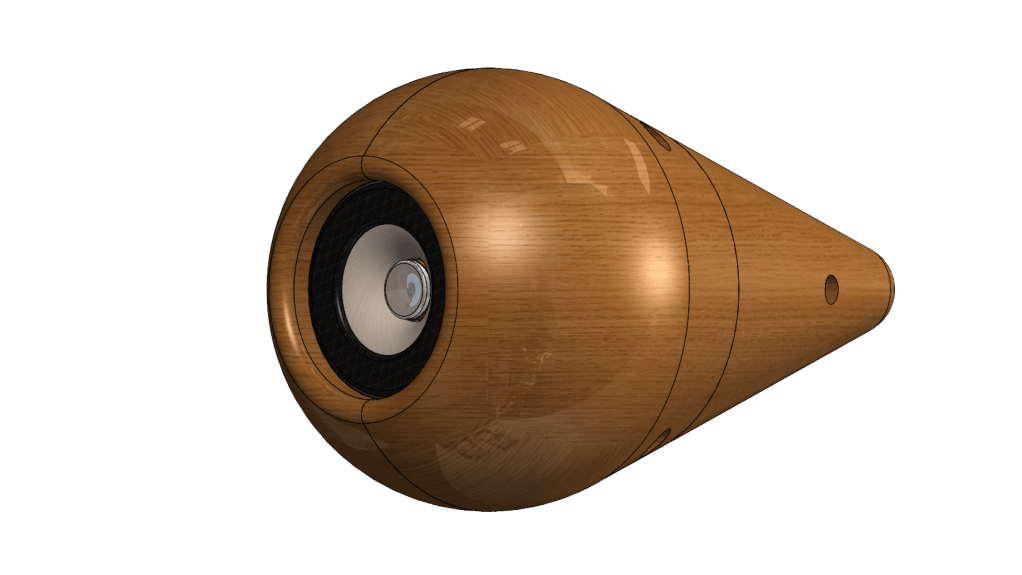
    Two full-range drivers are mounted in a directional and omni-directional orientation. Many debates have stood in the audiophile industry of omni-directional designs; they sacrifice SPL with the heavy effects of wall reflection. However, these reflections create a flowing space of sound, much like a live venue.

    As most audio endeavors go, it is a balance between technical accuracy (sound reproduction) and the immeasurable experience (how it feels).

    Reading a short book on the Japanese design philosophy of hodo-hodo solidified my approach. A designer, like myself, must avoid designing, and fully constraining, a system for its intended use. The final user must have the power, and ability, to see the form to their own fit.

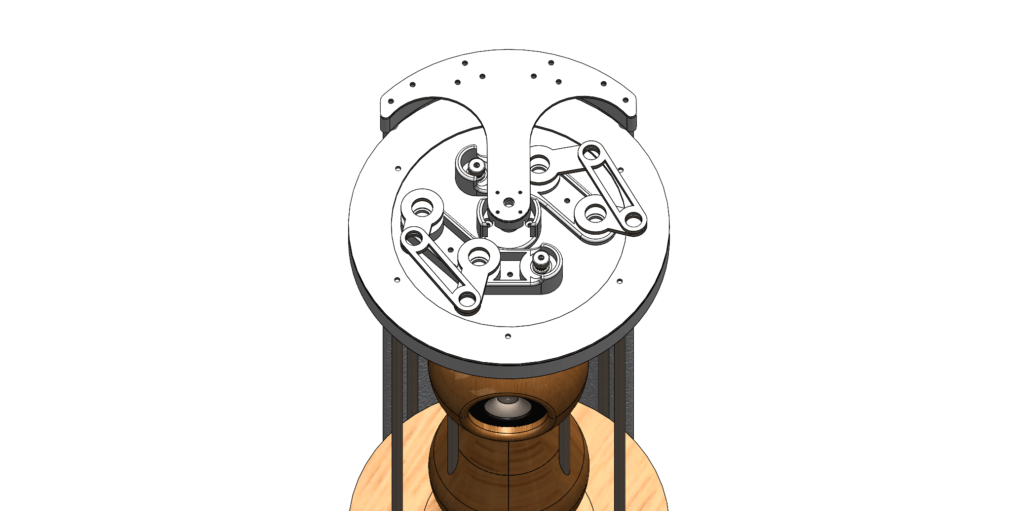
    This gave my confidence in integrating direct point source audio with omni-directional speakers. I designed a 12 step L-pad attenuator to maintain system impedance while lowering driver output in a continuous manor.

    The veil would be rotated by the user, changing the sound profile, and experience, to their choosing, whether fully omnidirectional, a 10 step increment of combination, or fully directional.

    Most importantly, this system was passive, being built of a 62 resistor array in either channel. No buttons, no power supply, but an analog +/- cable alone.

    Prototypes have been made and tested, as well as the L-pad array, with final production awaiting time and space for wood stock. All parts are in-hand and awaiting the hundreds of hours of manufacturing.
  • Corvus – High Speed 3D Printer

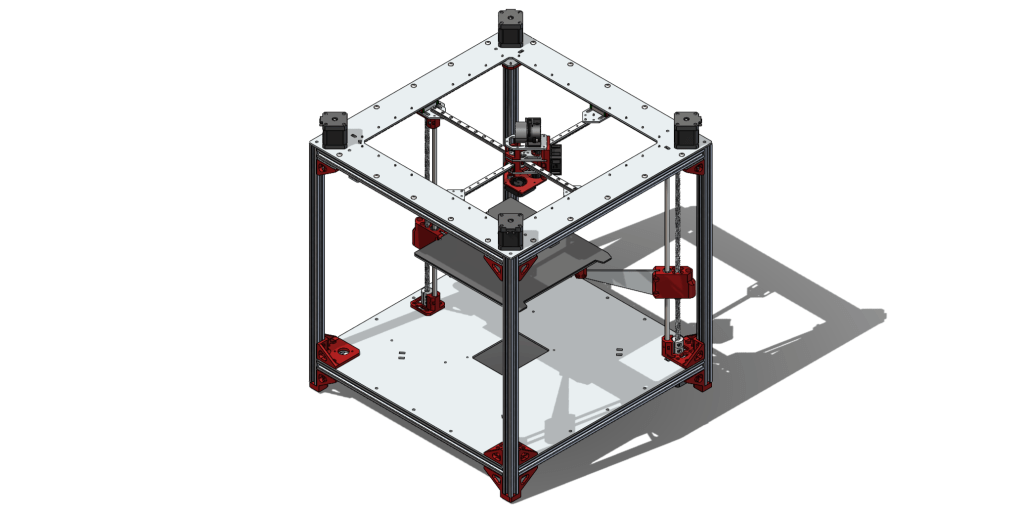
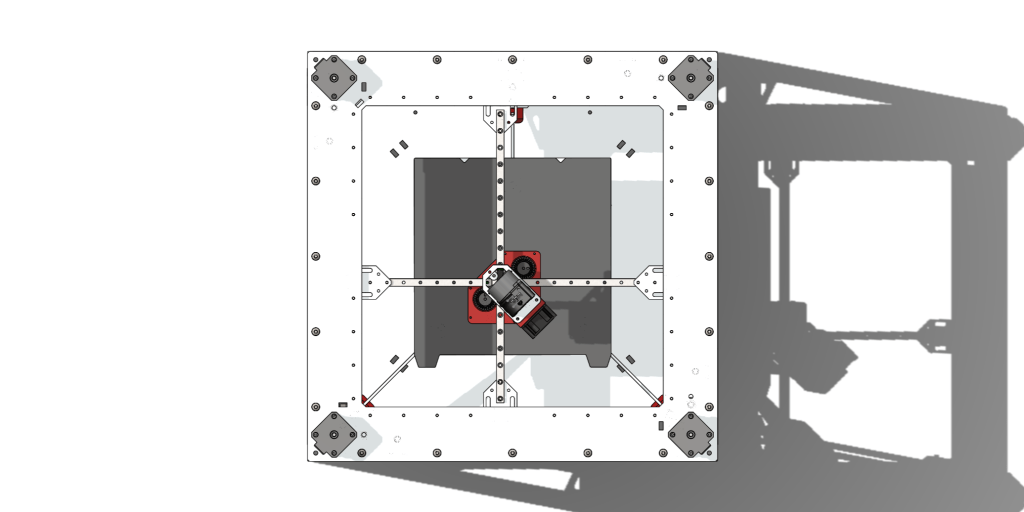
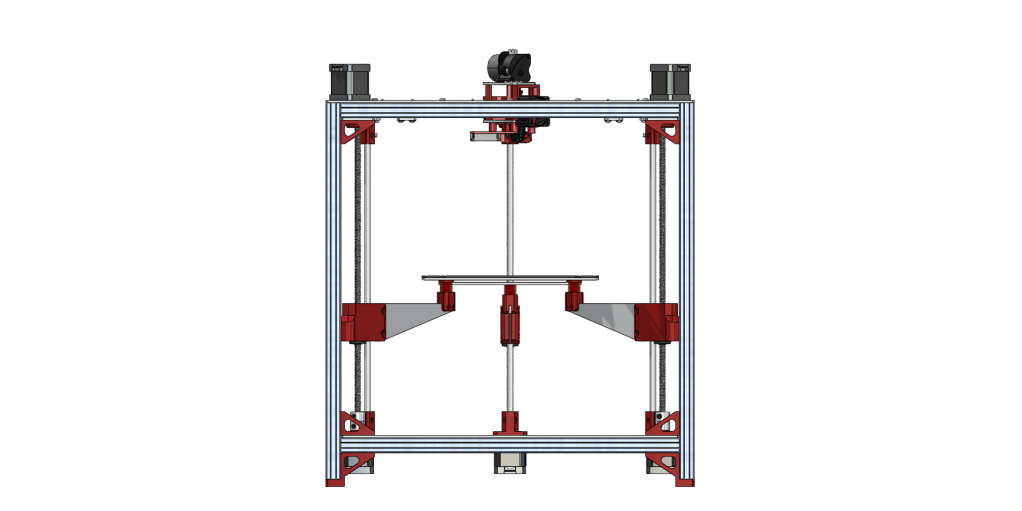
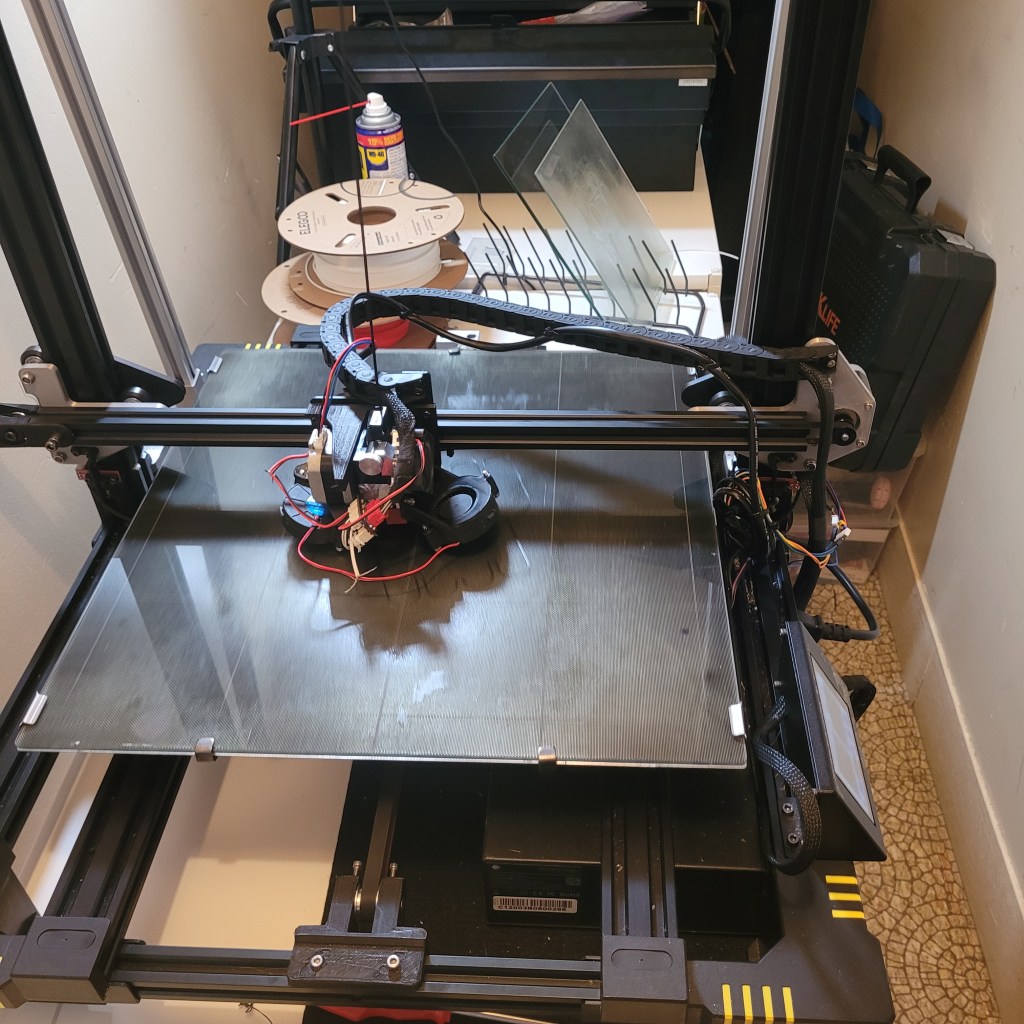
    Corvus is my most technical, complex, and expedited project to date. This was designed and assembled in just 4 weeks. After a decade of 3D printing experience, I finally designed my own from the ground up. This was my last cry against the innovations of Bambu Labs. My rage against the dying of the light.

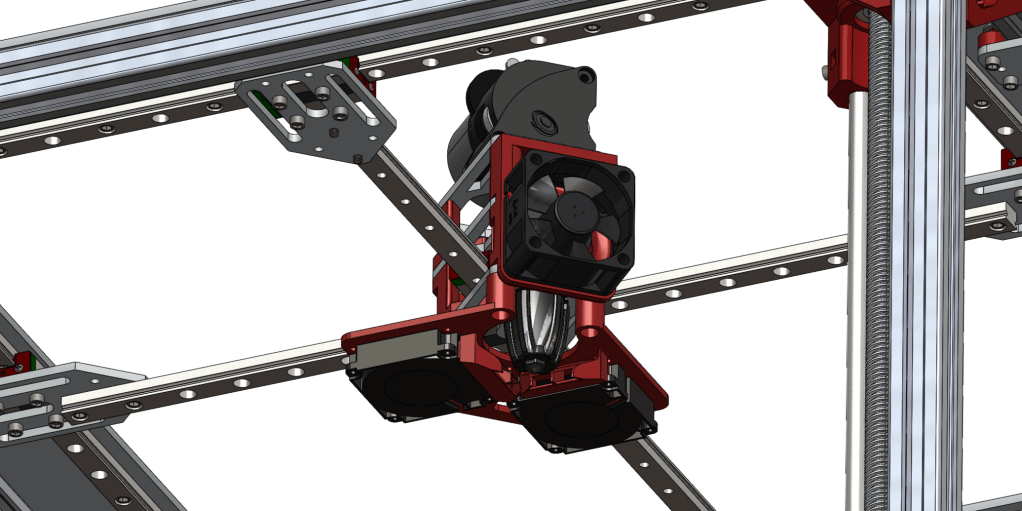
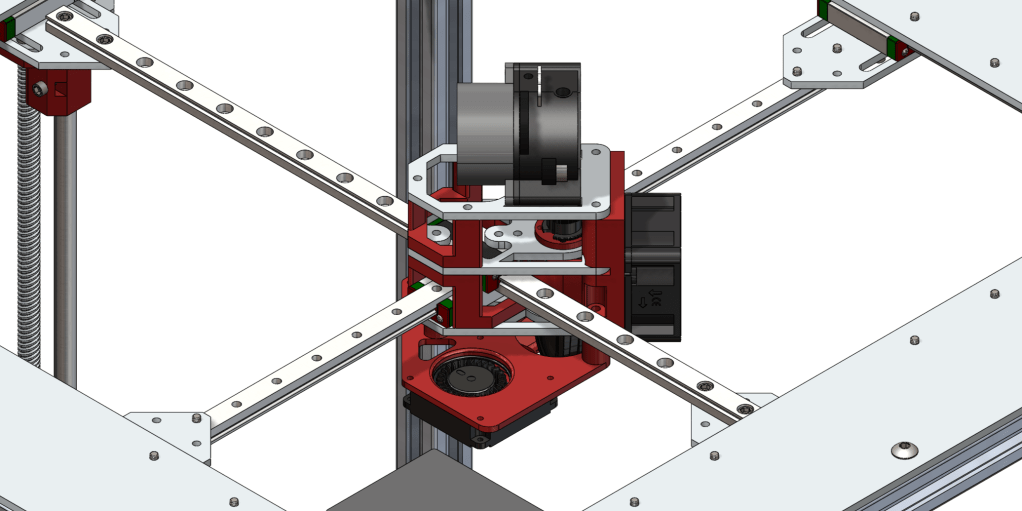
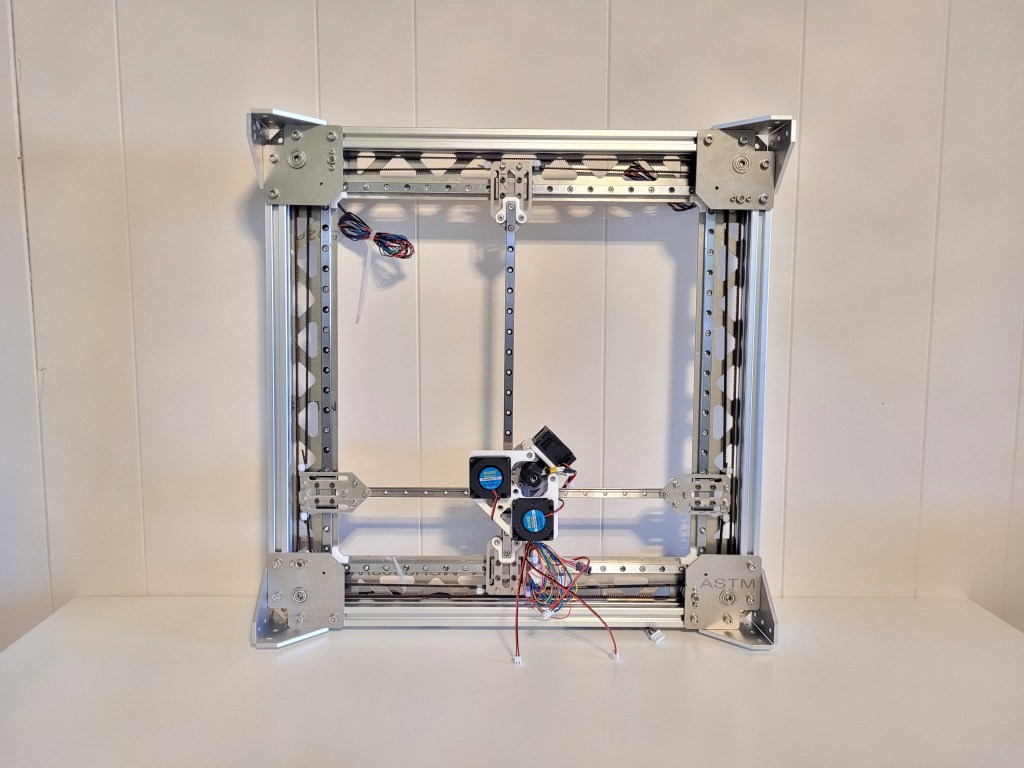
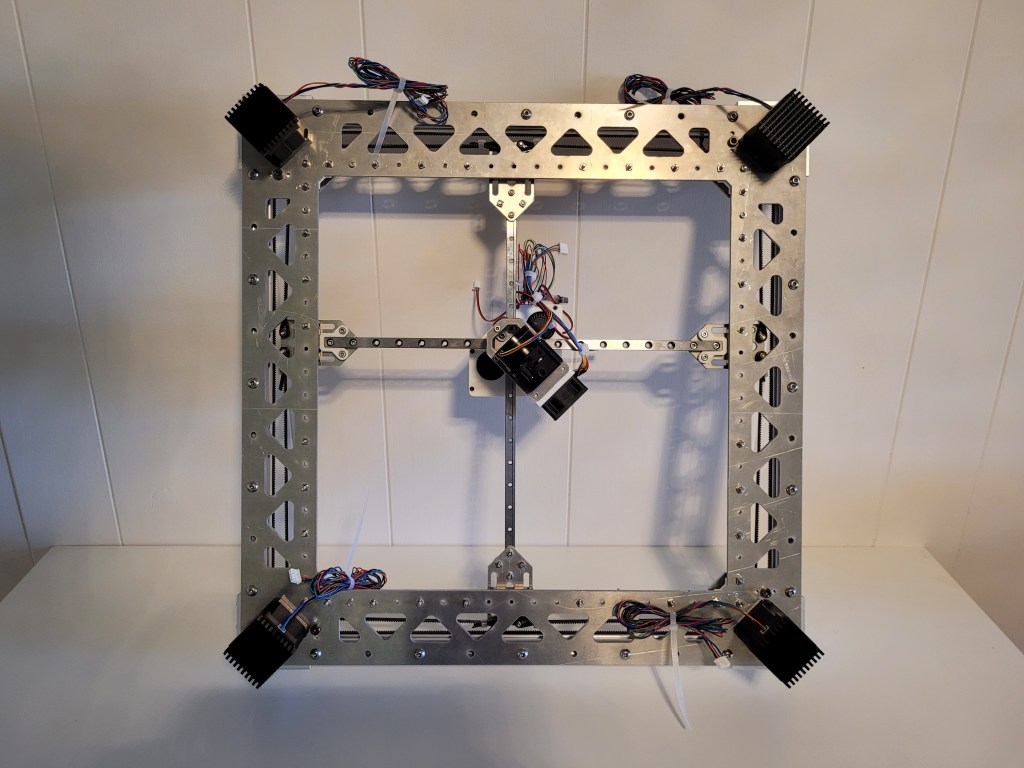
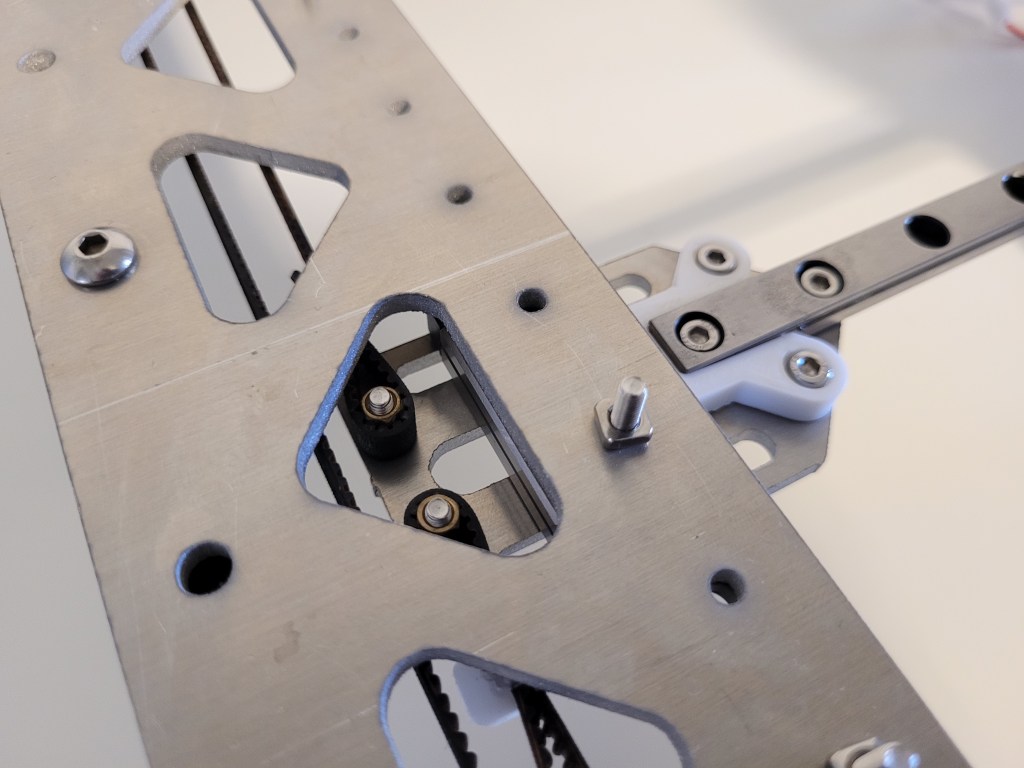
    The XY Carriage weighed under 300g including a high torque direct drive extruder and a high flow Rapido hotend. The key to this success was the use of three lightweight custom brackets, enabling high rigidity with low mass.

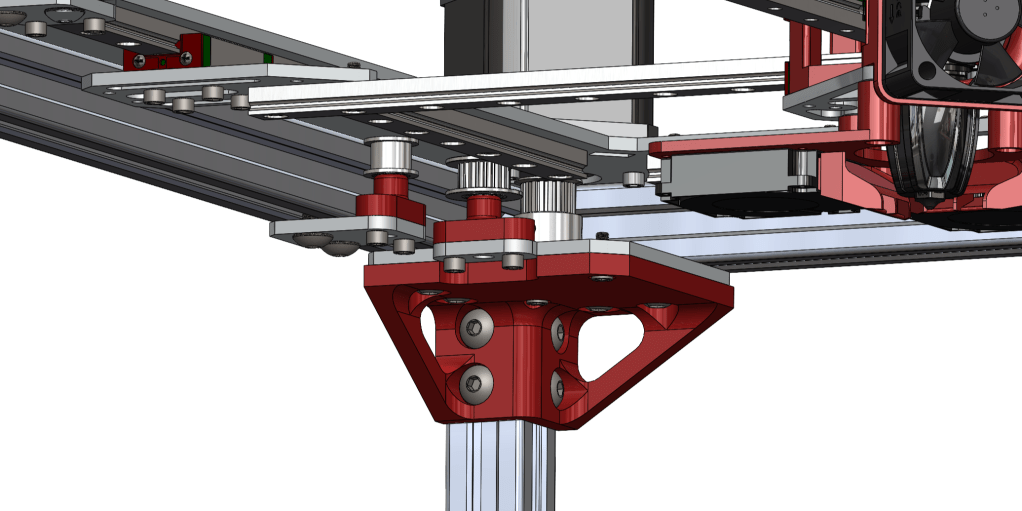
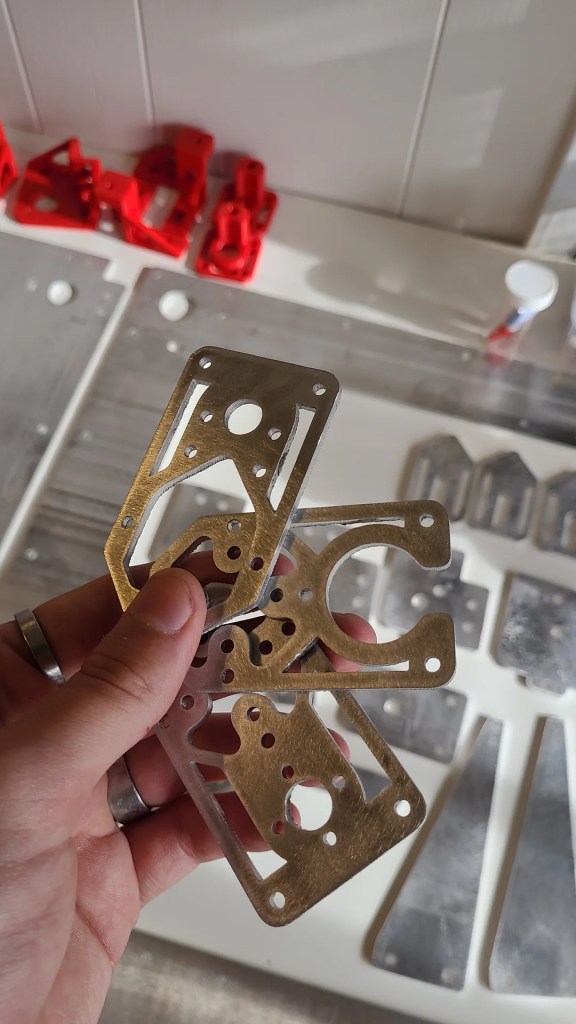
    The X and Y axis of this CoreXY were made of lightweight custom 6061 brackets mounted on either side of a linear rail. Steel or Carbon rods are commonly used, but the latter is too heavy (and less stable due to concentric mounting require for rod bearings, rather than the tapped holes in linear rails), and the former is not rigid enough in this architecture.

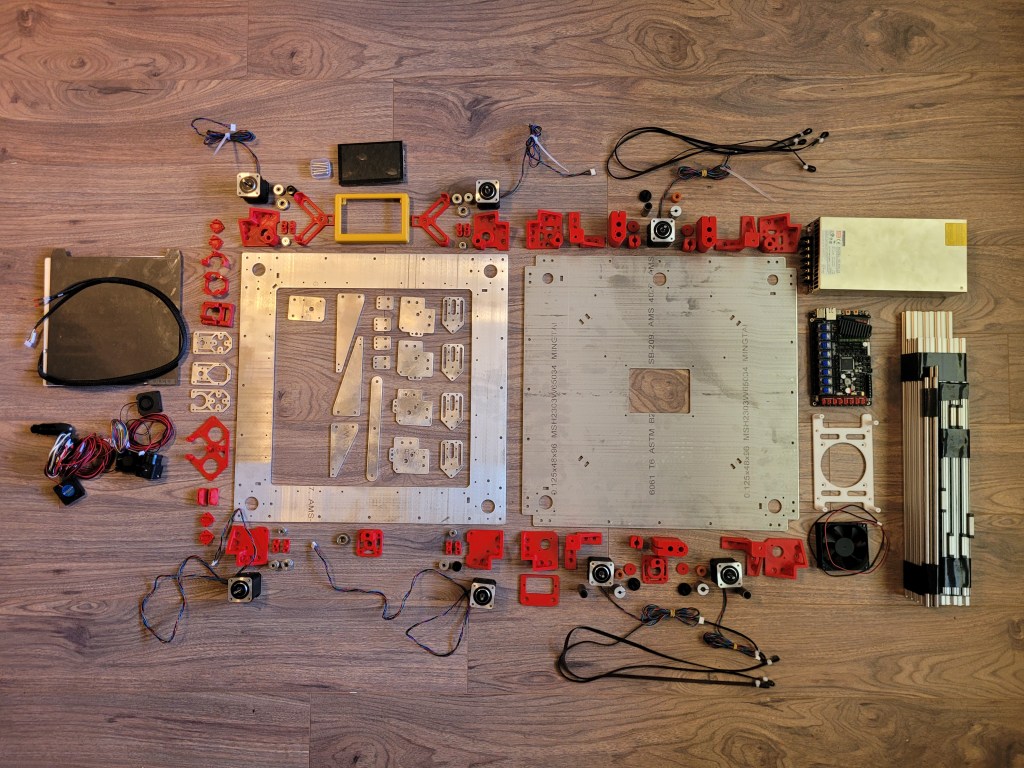
    The frame, and brackets, were manufactured at UBC machine shops and Xometry. The use of an aluminum frame for the top and bottom ensured a square and plane design (as linear rails, bearings, and motors were all bolted directly into this frame).

    This is key to high velocity performance, as the slightest misdirection, even by 100 microns across an axis, can cause inaccuracies far larger in prints, as well as mechanical wear, noise, or worse.

    An entire metal frame also allowed the capability of printing PEEK with a proper enclosure design and water-cooling of the extruder motor and hotend. This is also why the motors were mounted outside of the print volume.

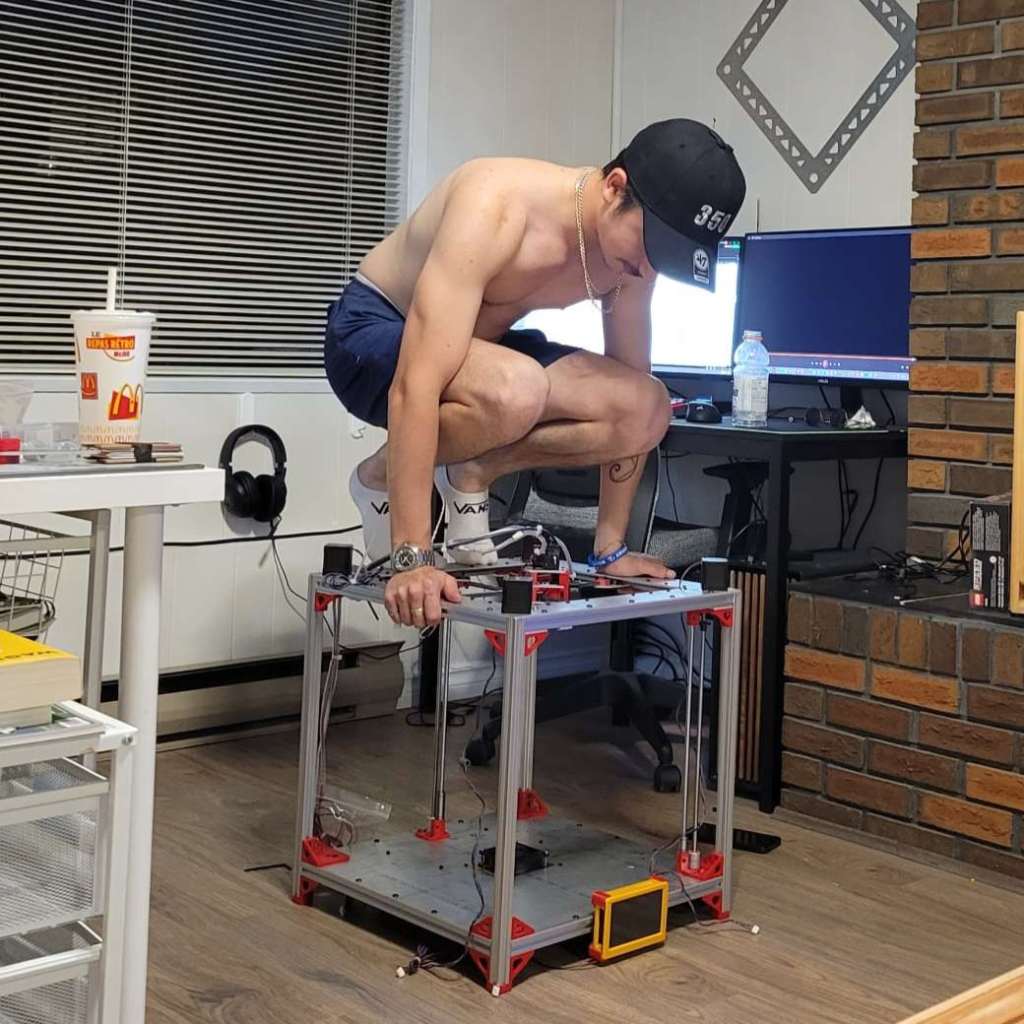
    Any robust design requires a very tried-and-true tests, such as jumping and standing on top.

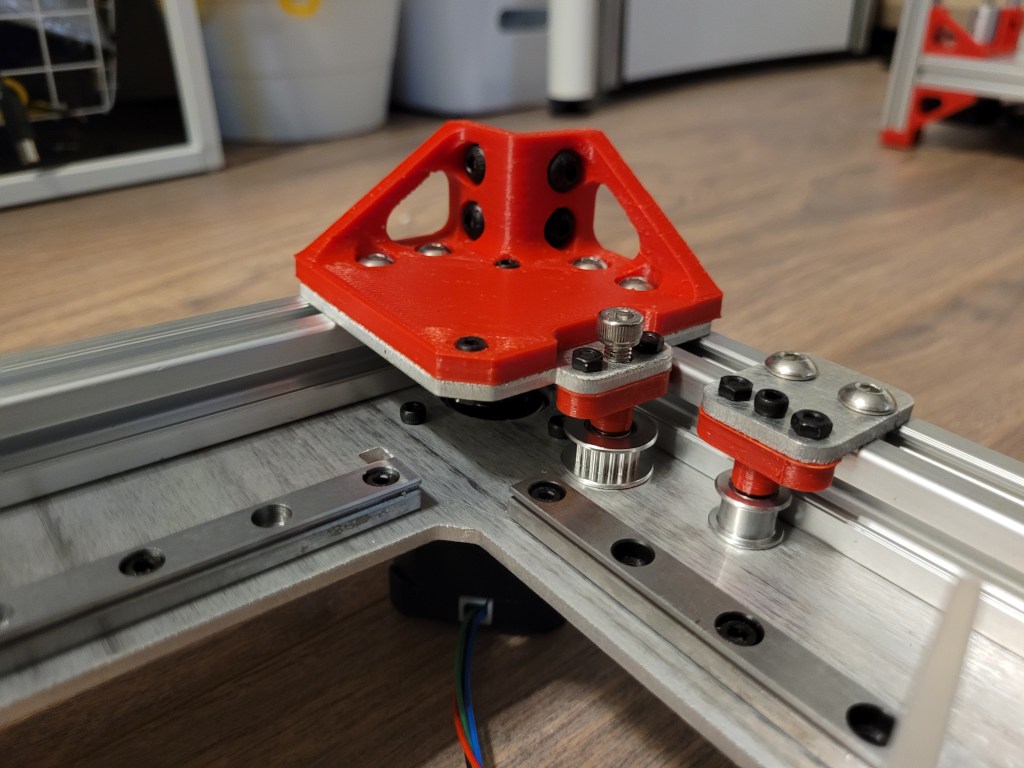
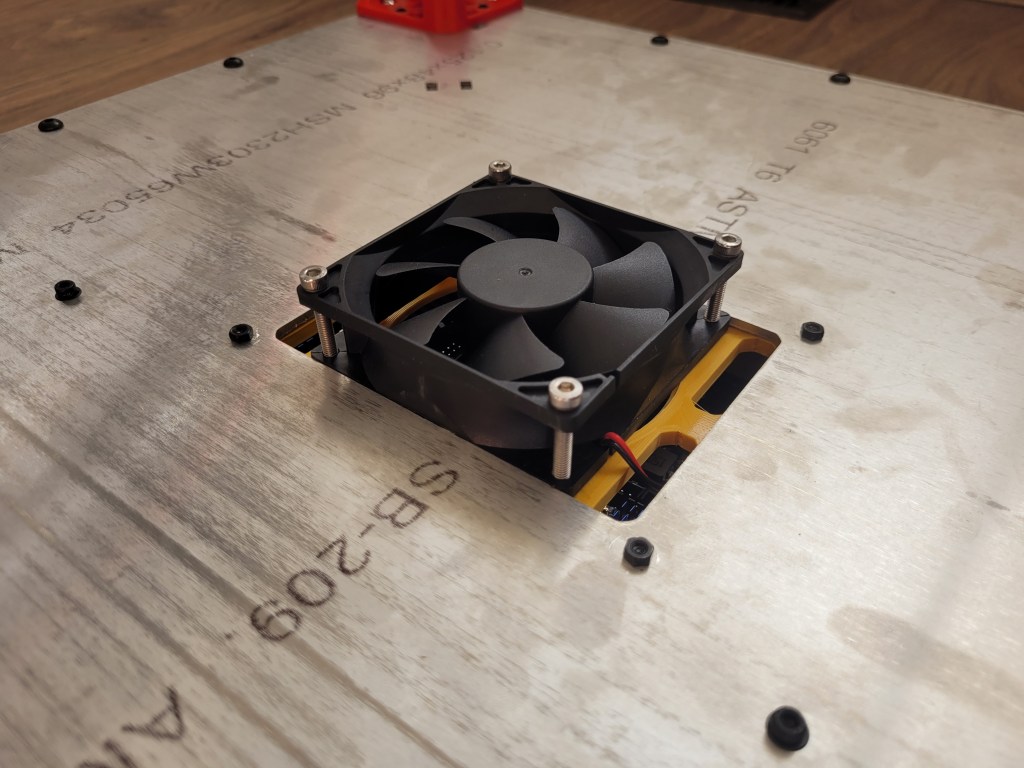
    XY rails – Controller Board Cooling – XY bearings and ASA frame bracket.

  • Phi Audio System – CNC Concepts

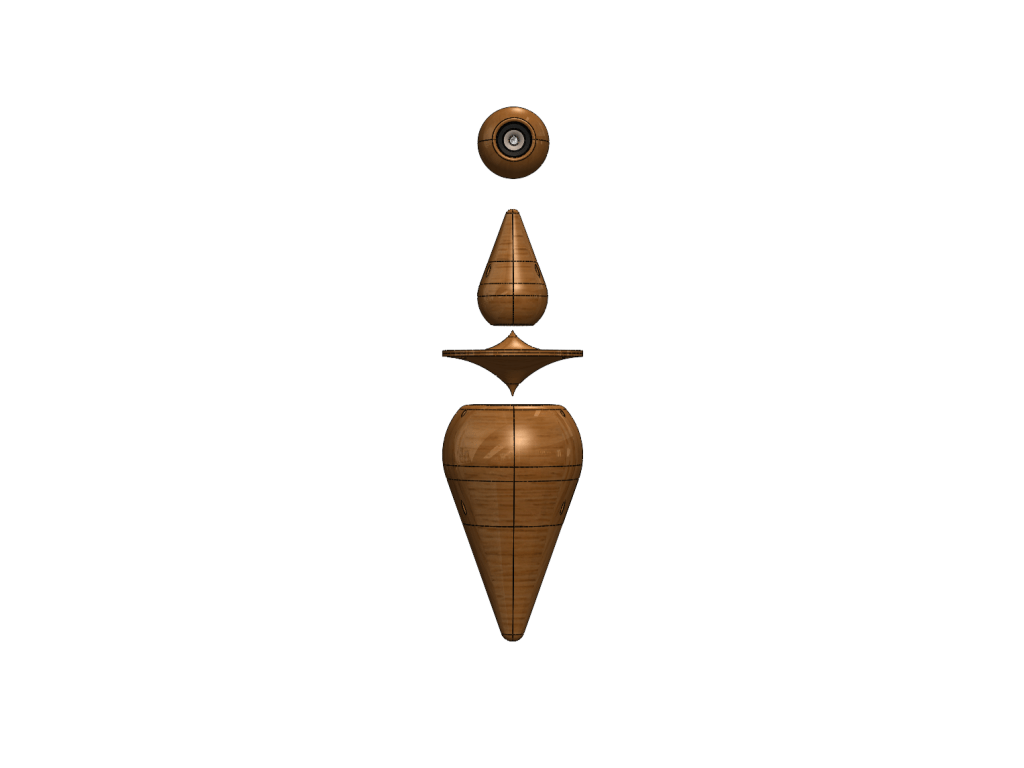
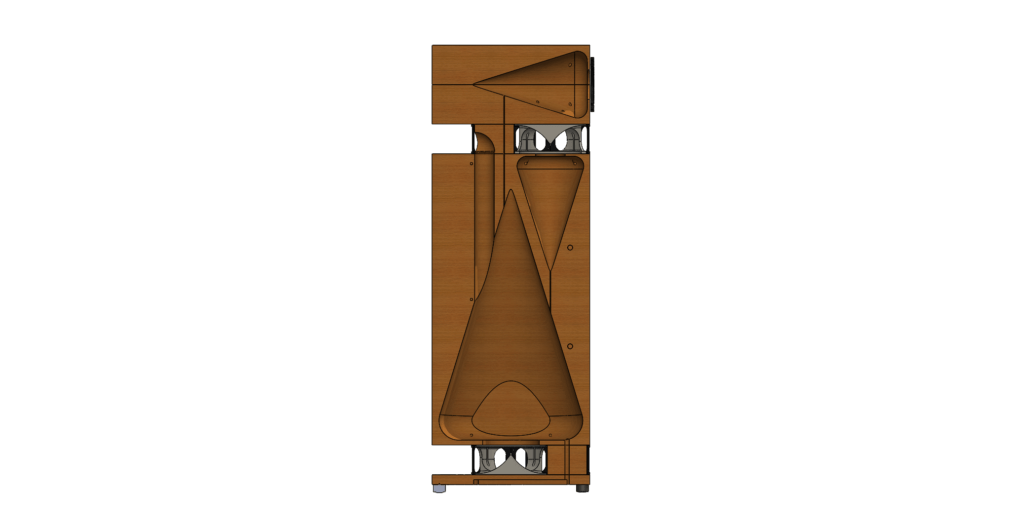
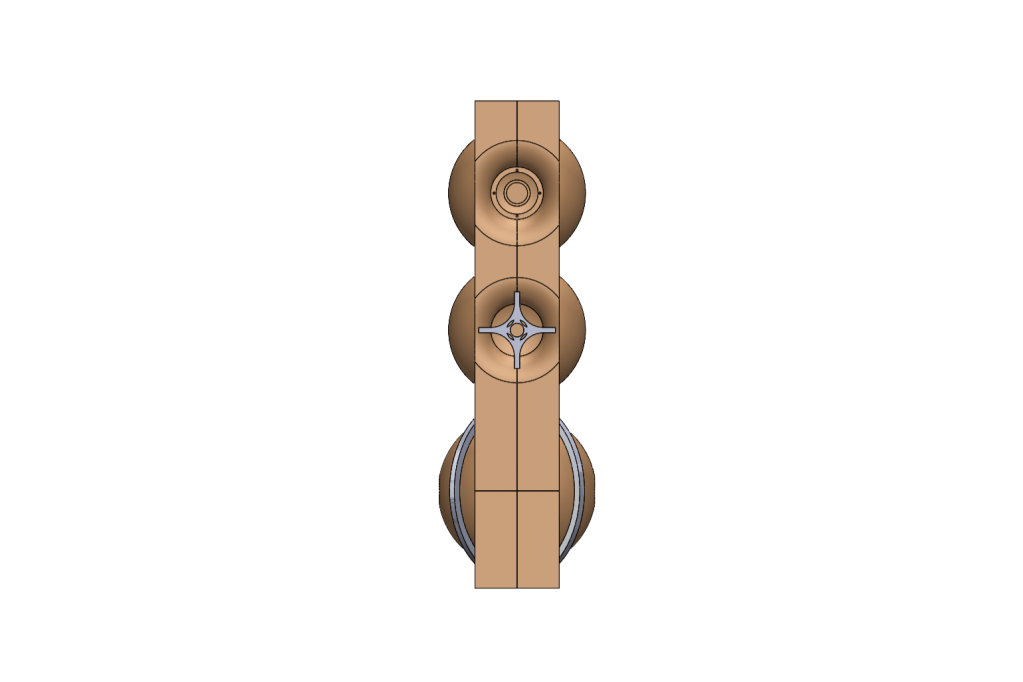
    Phi, the flagship name of my speaker concepts, took on a new form. With expansion into CNC machining capabilities, I was able to design true form that brings function.

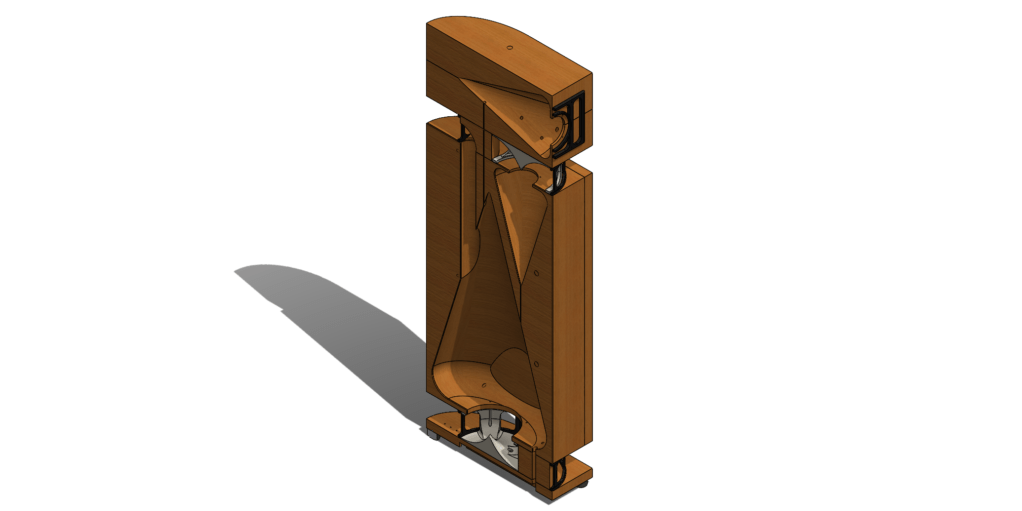
    Spherically-capped cones, such as a traditional ice cream cone, offer the most productive enclosure for audio quality. The varying radius minimizes standing waves and extends internal sound diffraction, while the slimming geometry mitigates the amplitude. In combination, the curved shape prevents edge amplification of sound from enclosure resonance.

    This is biomimicry at its finest; inspired by the Nautilus and Fibonacci.

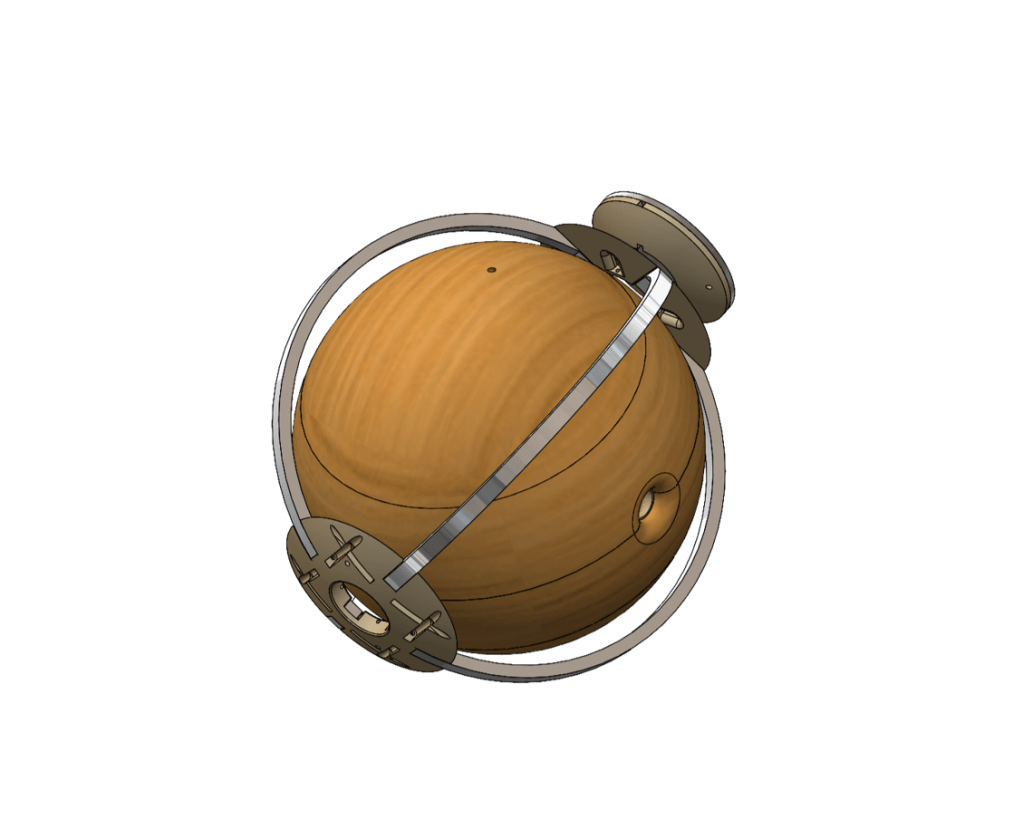
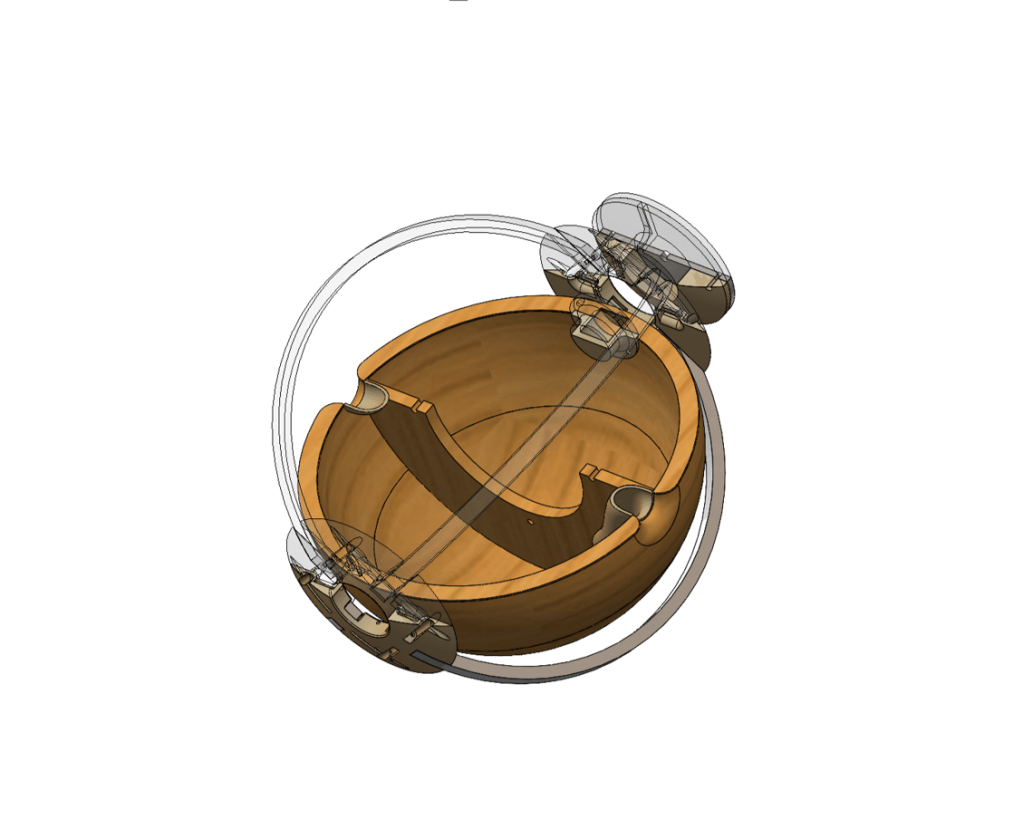
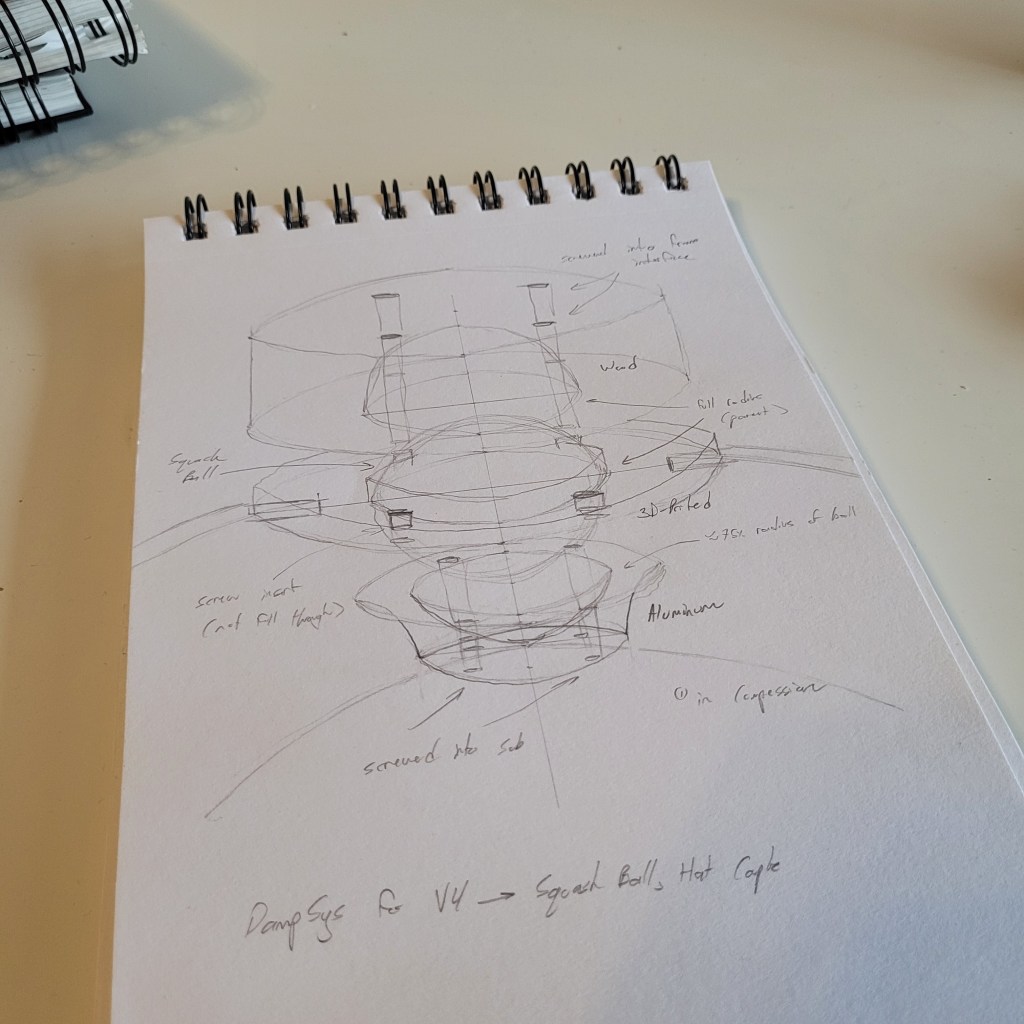
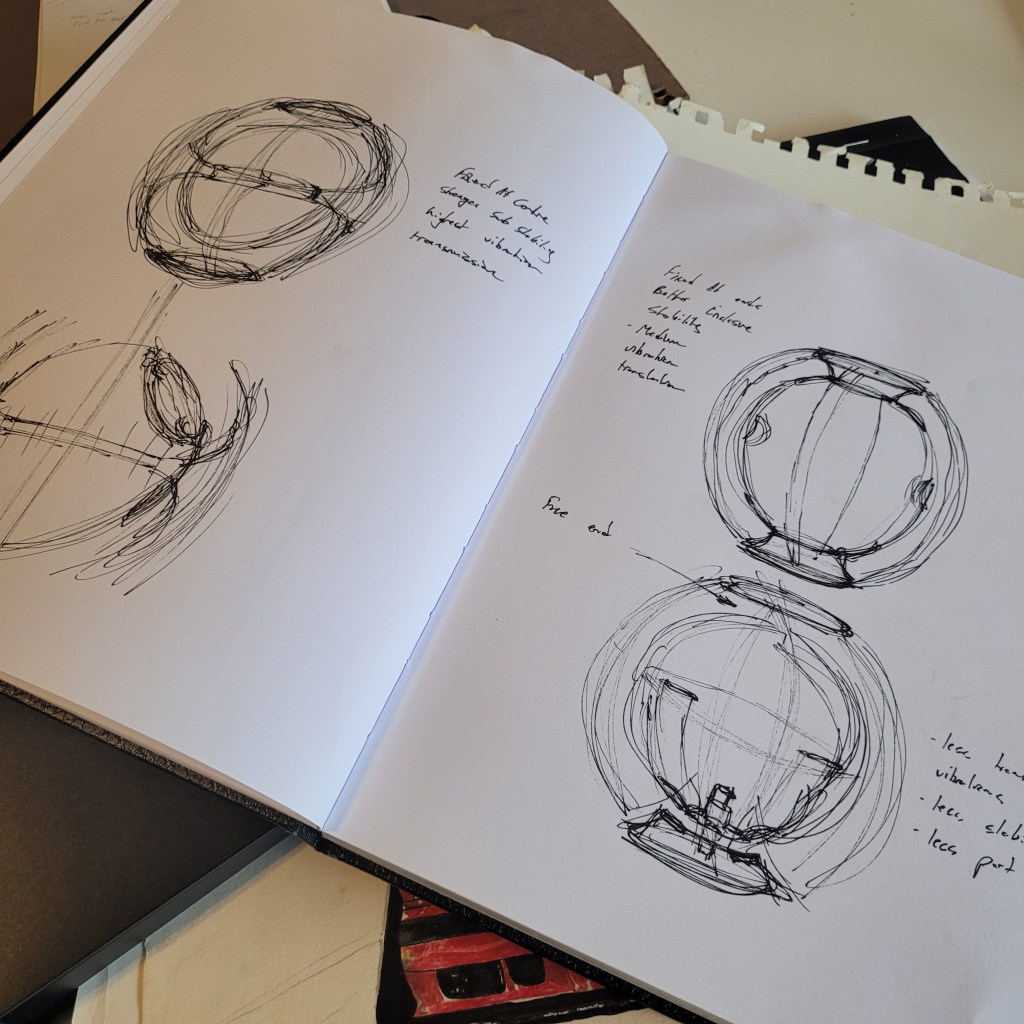
    In another concept, the subwoofer was mounted in a spherical enclosure as a fourth-order bandpass. This not only enabled spacious lows, but co-linear ports and a balanced centre-of-mass.

    A solid magnet was placed within the enclosure and a 250W electromagnet in the main body. The entire enclosure was to be levitated, free from body resonance and mechanical audio transmission through floors or walls; this would produce the cleanest bass theoretically possible.

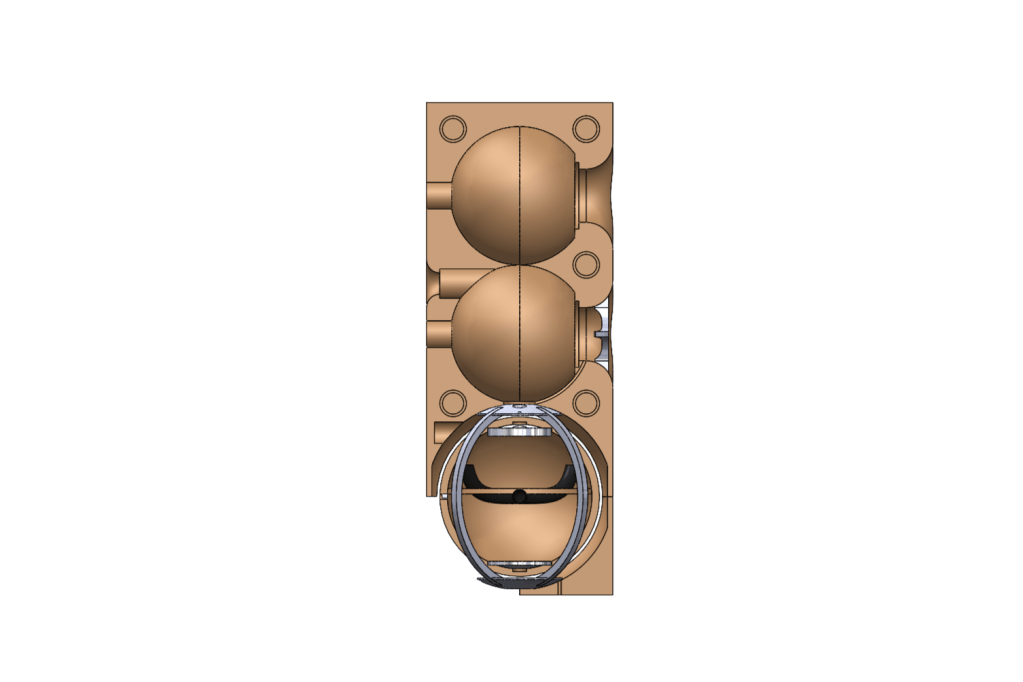
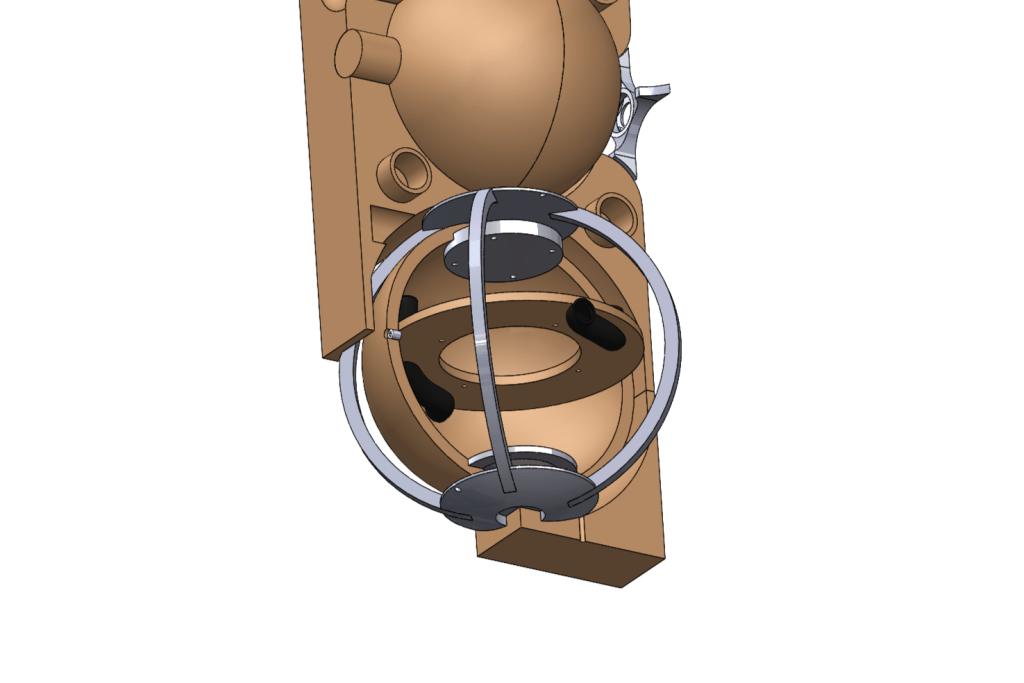
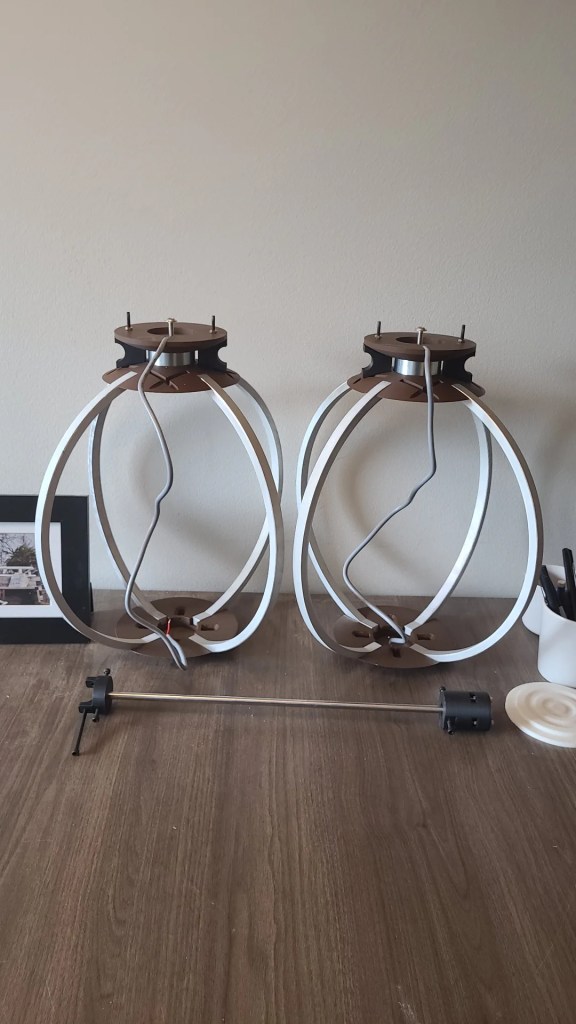
    The aluminum frames were waterjet from 1/2″ 6061 with the electromagnets mounted within a 3D Printed housing. This project reached the limits of my time, and technical experience, from physical levitation.
    Not only was I studying for finals, but the precision required for stability was impossible to meet with the electromagnets and related components within my budget. Because of the choice of a permanent magnet in the enclosure, and an iron-core electromagnet, if the system was over-damped, the magnet would become fixed onto the iron-core.

    A far more powerful electromagnet, combined with a ferro-magnetic material in the enclosure, or an air-core electromagnet (even more powerful), was required.

  • DIY 3D Printers

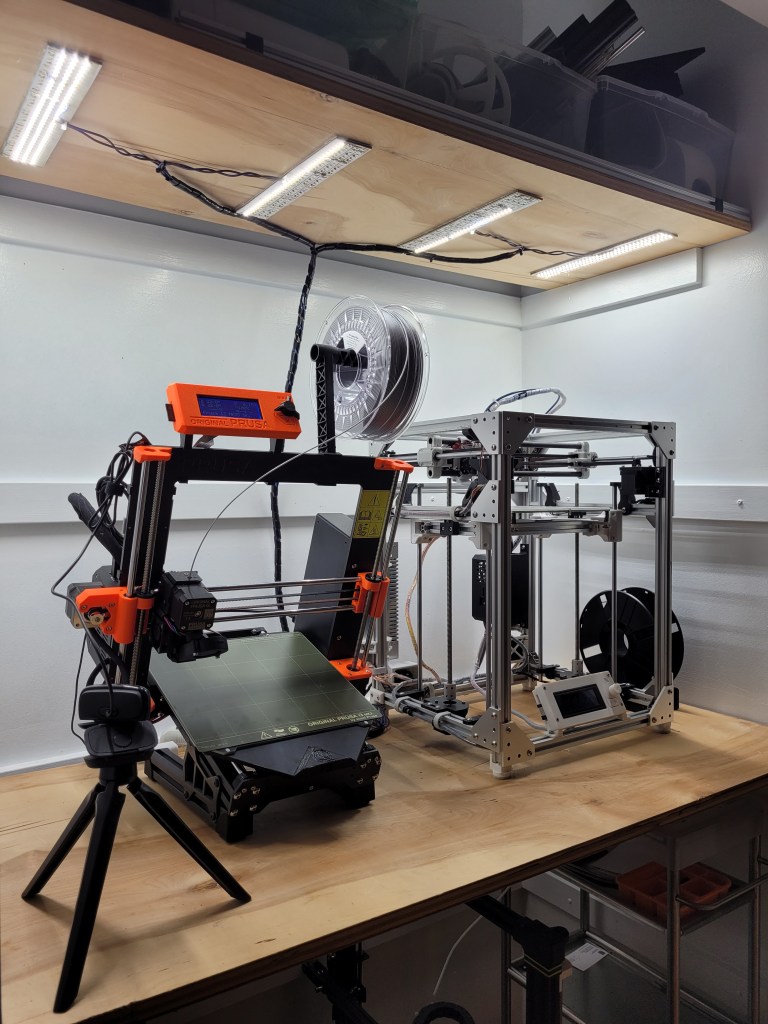
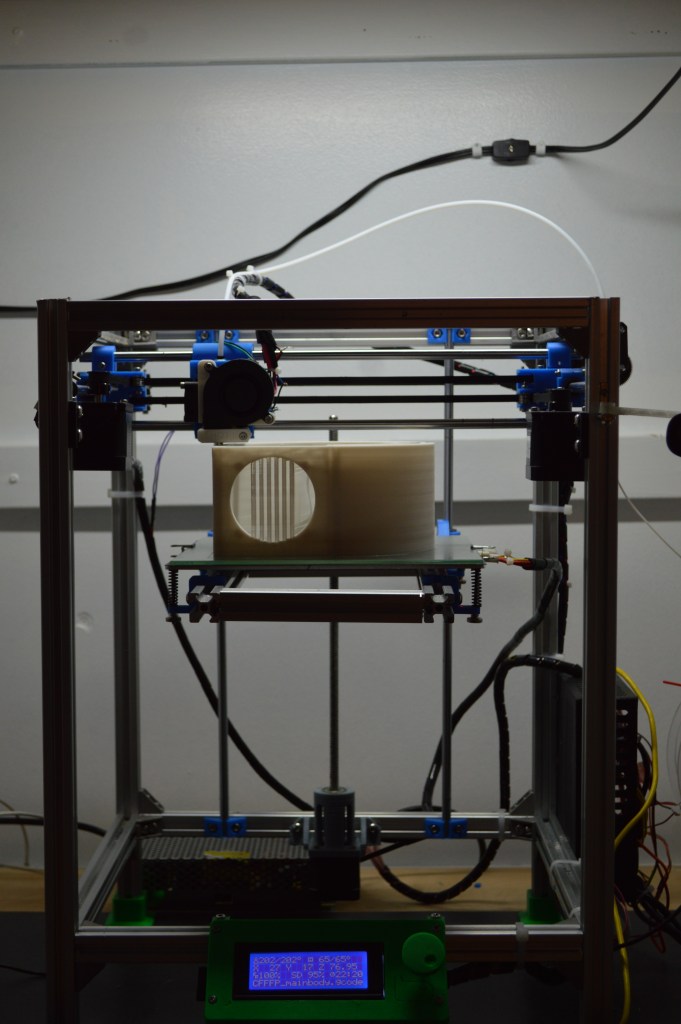
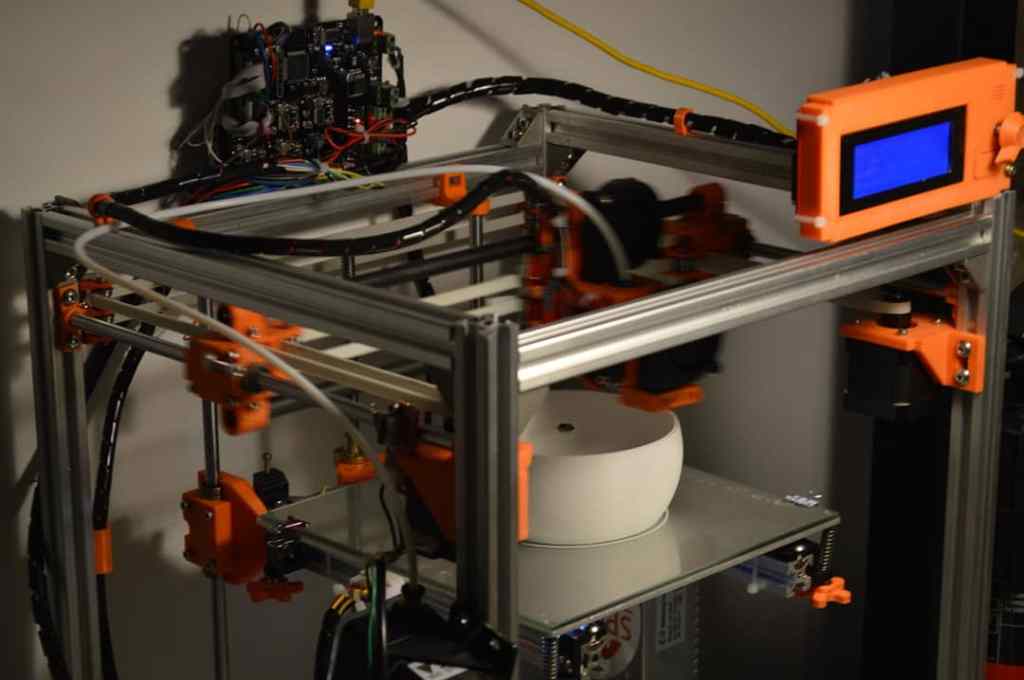
    I built my first 3D Printer, a Tevo Tarantula, over a decade ago. Since then I built multiple Hypercubes with custom parts, a Prusa MK3 with a 3DQue automation, an Anycubic Chiron, and a full custom build known as Corvus (see above for project description).

    Using DIY printers has enabled me to troubleshoot complex mechanical and electrical systems with speed and accuracy. From burnt motor drivers, faulty PSU’s, clogged extruders, shorted fan cables, or firmware modification issues.

    Root cause analysis that would take two days quickly took two minutes. More importantly, the hours of labour involved, and the turmoil of ordering new parts, taught me the importance of robust design, monitoring, and maintenance. Systems must be designed to last, and if they do not, be designed for repair.

  • Phi Audio System – Handmade

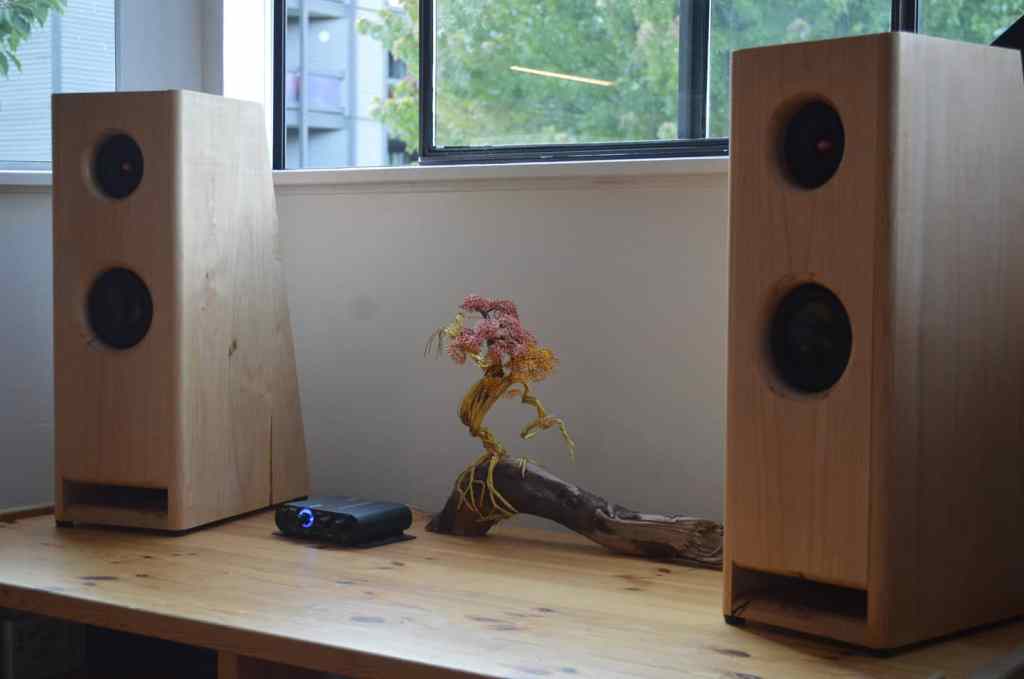
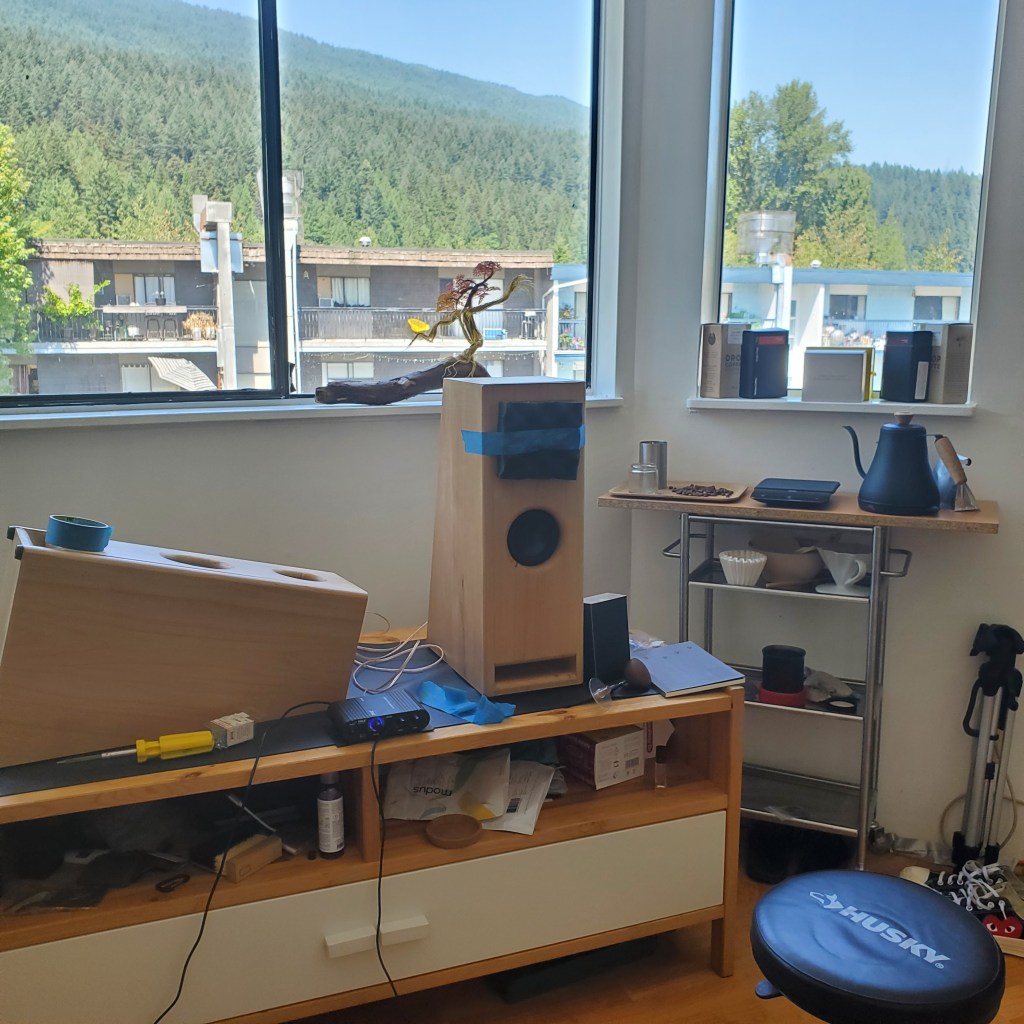
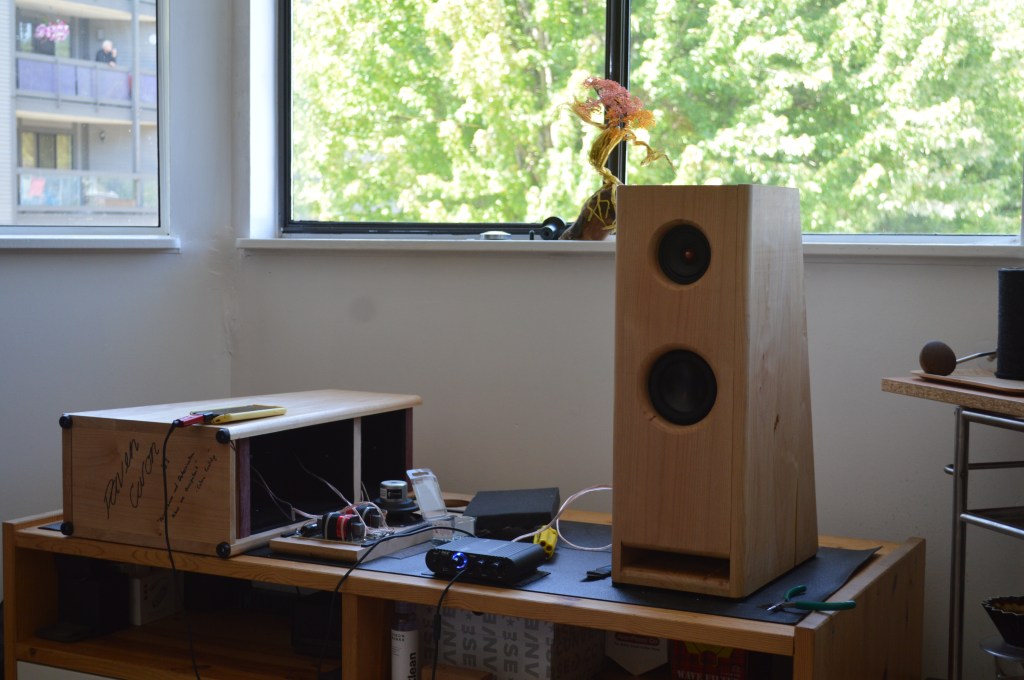
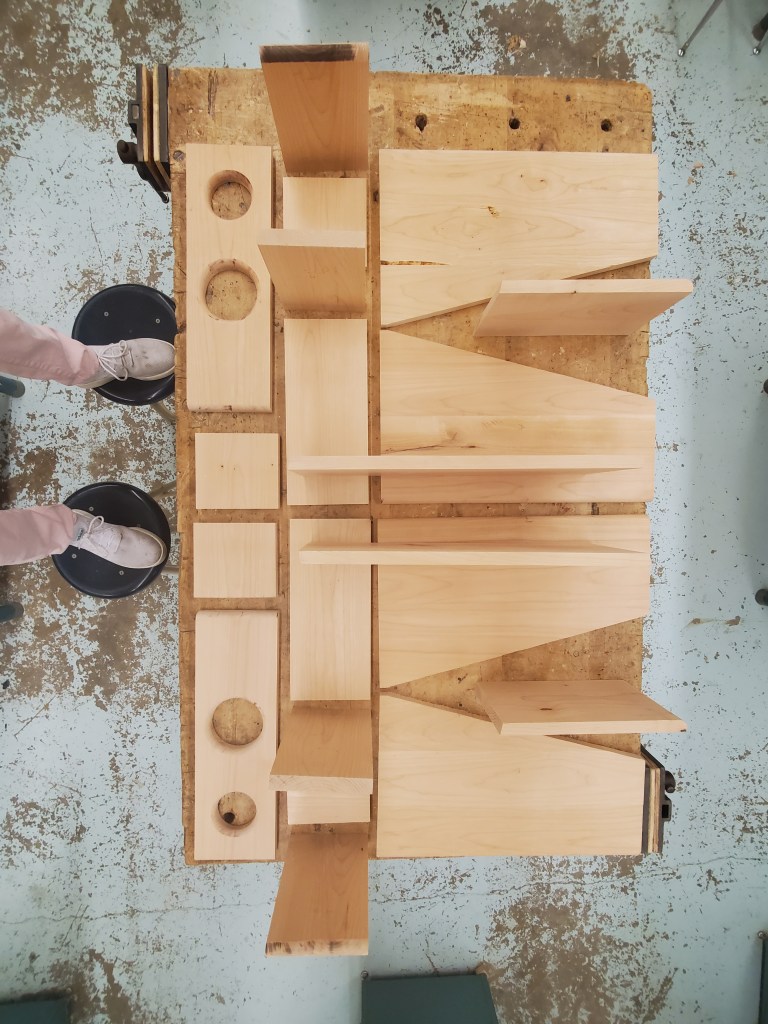
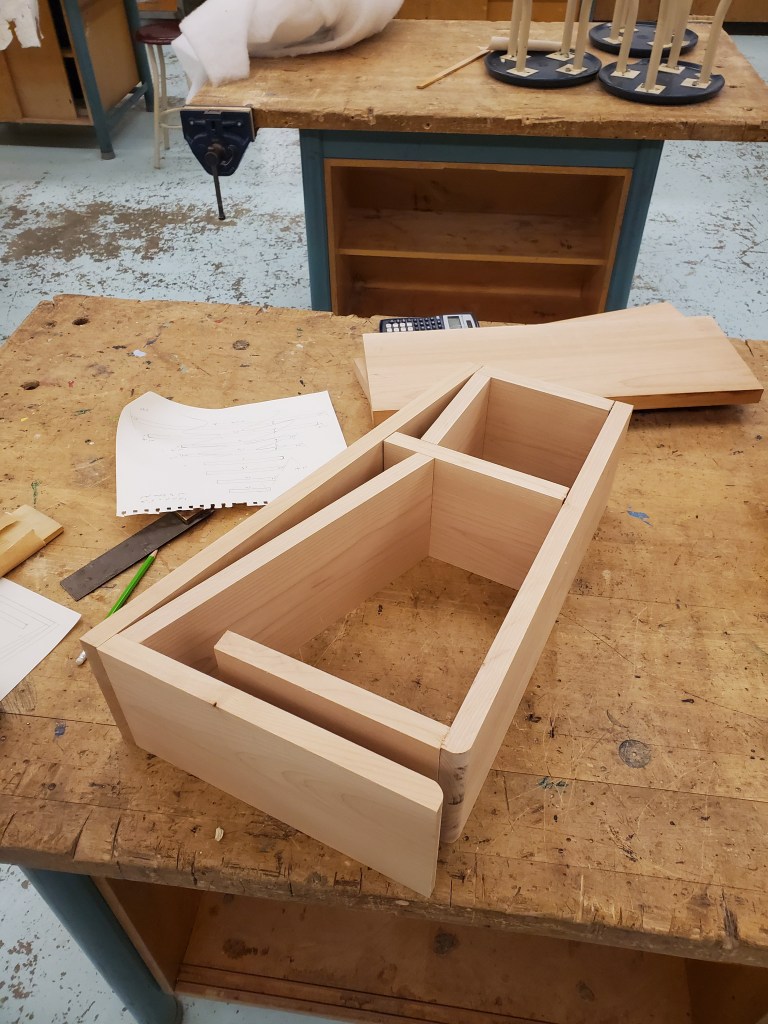
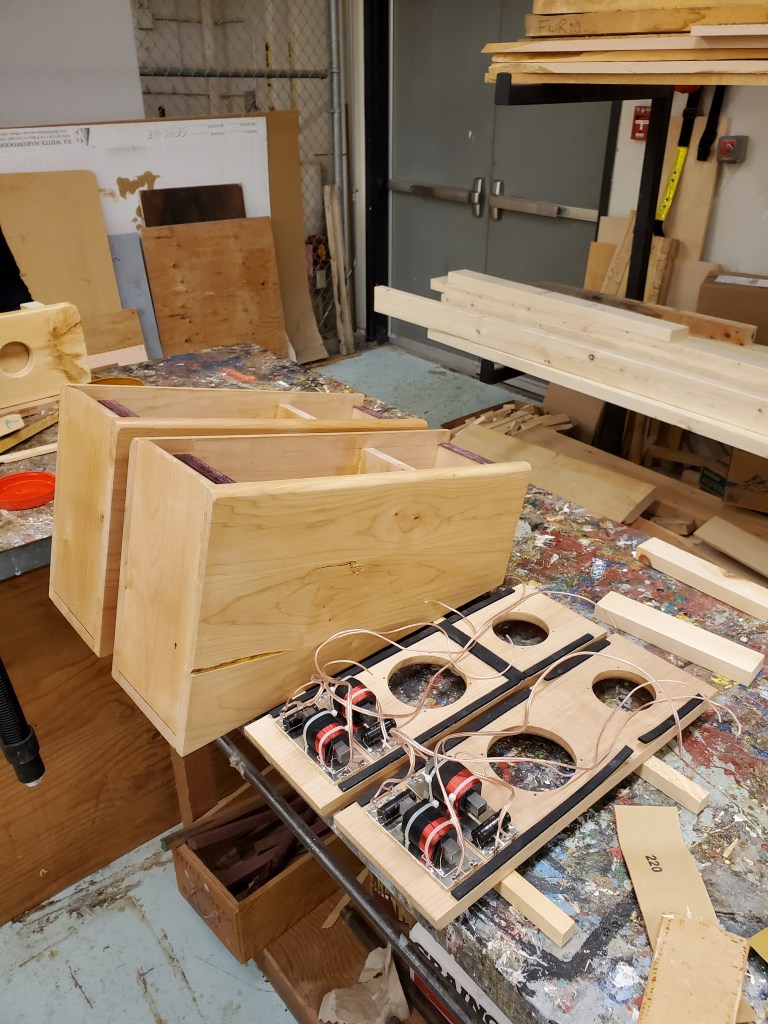
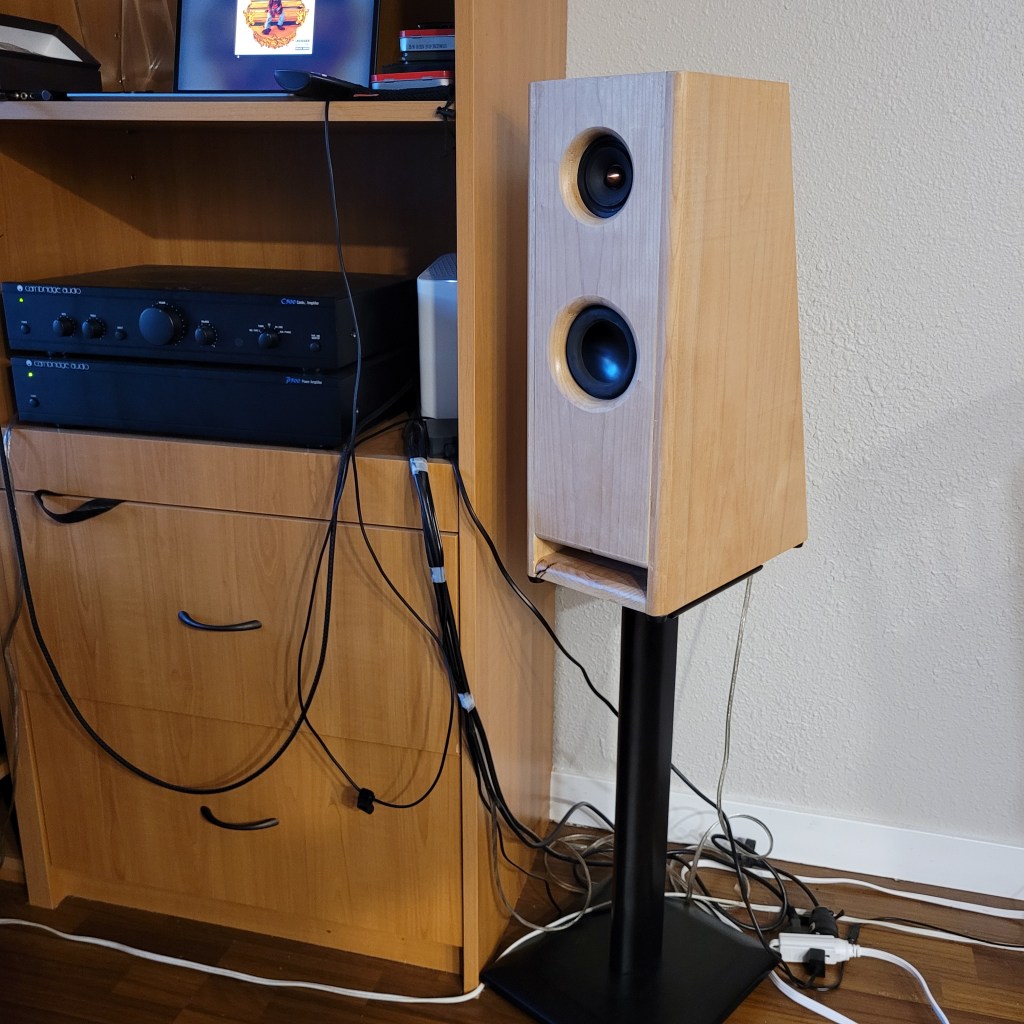
    Phi was the first wooden speaker system I manufactured. It took 2 weeks to design, simulate, and model, and 2 months to manufacture.

    A minimalist approach was taken, nearing a brutalist design, which is different than most of my projects, but necessary for working with 3/4″ slabs.

    This project taught me why many things in our life, such as speaker systems, are so bare and “boxy” while theory shows this to be against function, let alone form: manufacturing capabilities.

    Although studies from the 1960s onwards prove the disadvantages to SPL and Q within box enclosures, this is where the majority of research and development has gone in industry. Form has Function.

    Drafted on Paper – Modelled on Blender – Cut from Maple Wood and Purple Heart – Simulated in Xsim

    Full Range Driver with a high-pass at 80hz, and Midrange Wooder with low-pass at 100hz with 60hz to 20khz frequency range