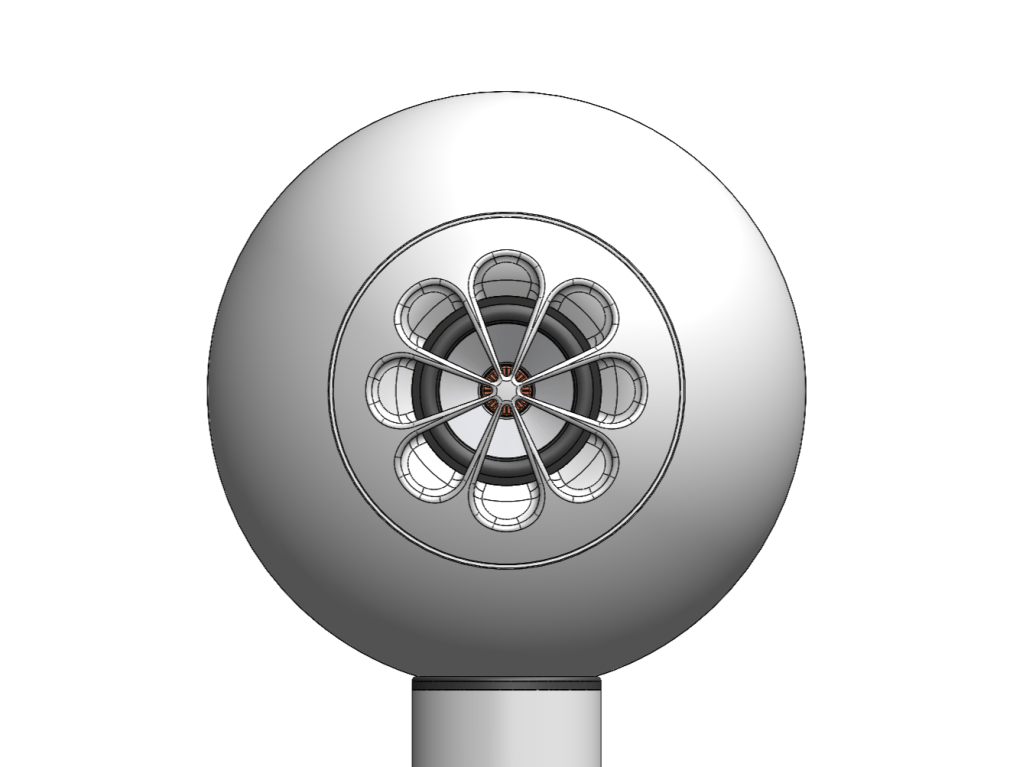
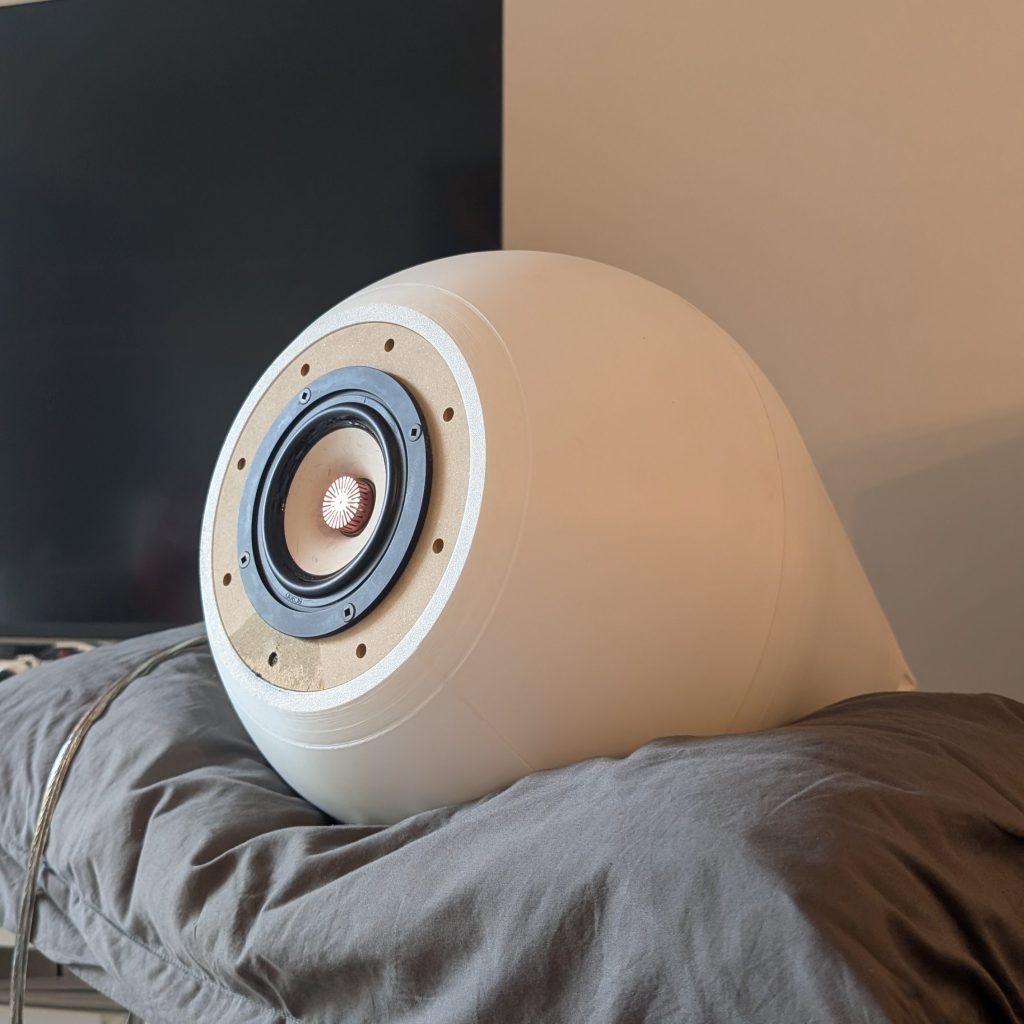
OPUS was designed using my traditional geometric profile based on the rare Turbine Head enclosures. This design minimizes standing waves, air velocity toward the port, and resonance spikes from baffle edges. Form follows function: a teardrop shape, with the length/radius ratio optimized for volume efficiency within manufacturing limits.
I modeled this enclosure using my custom Excel calculator for driver T/S Parameters. The driver selected for this project was a Tang Band W4-1879, a high-quality 4″ full-range driver with a low Fs for its size. The enclosure volume was 12 L, while the final dimensions were 320mm diameter and 600mm length.
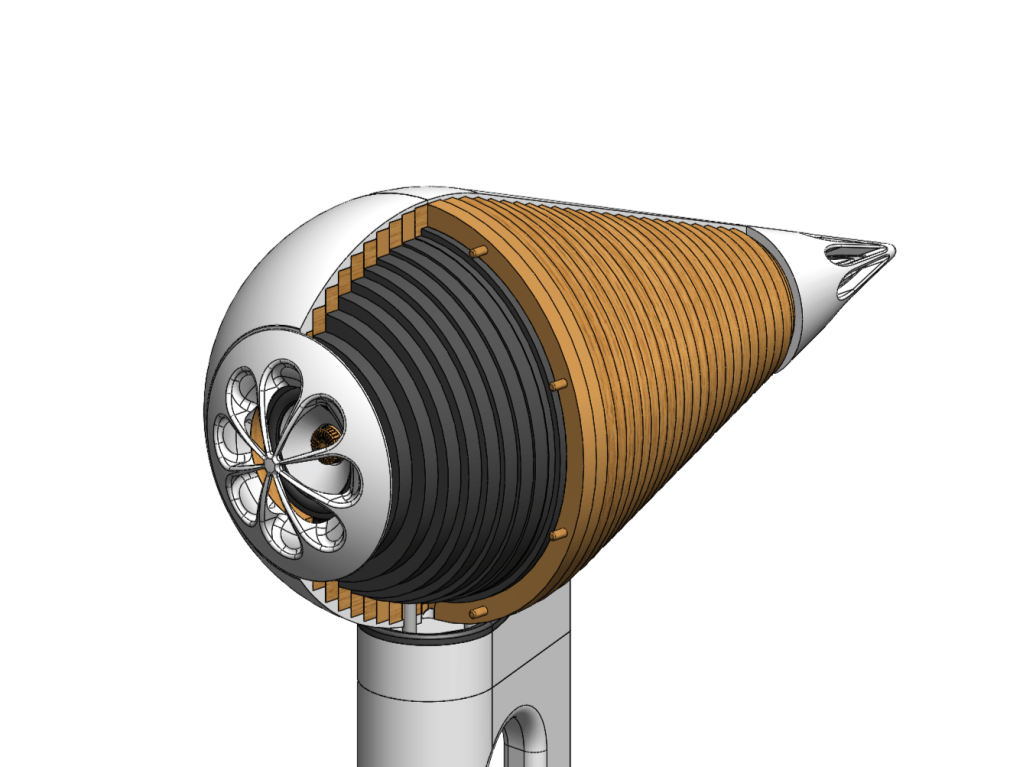
The cross-section reveals a plastic shell, MDF core, and urethane interior. The plastic shell aligns all 35 CNC-machined MDF cuts, creating a smooth outer profile without extensive post-machining. The MDF core carries the weight and acoustic properties of this enclosure, requiring 32sf of 1/2″ MDF, ensuring the proper stiffness, acoustic character, and energy dissipation. The urethane interior provides a smooth inner profile while also acting as a damping material. This hybrid architecture takes the benefits of multiple manufacturing methods to create a truly bespoke speaker.
This project took 4 days to design in SolidWorks and 2 weeks to manufacture in free time after work. A worthy time commitment for the following output.
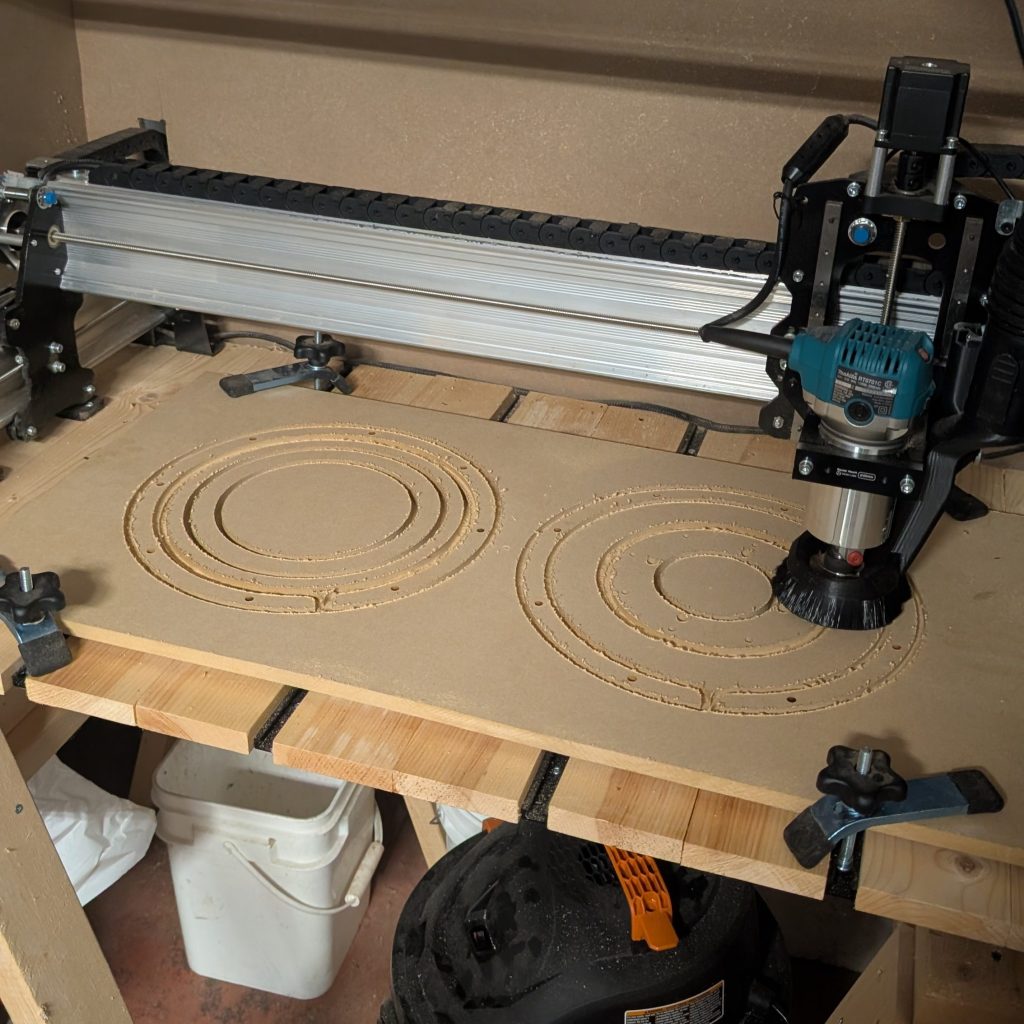
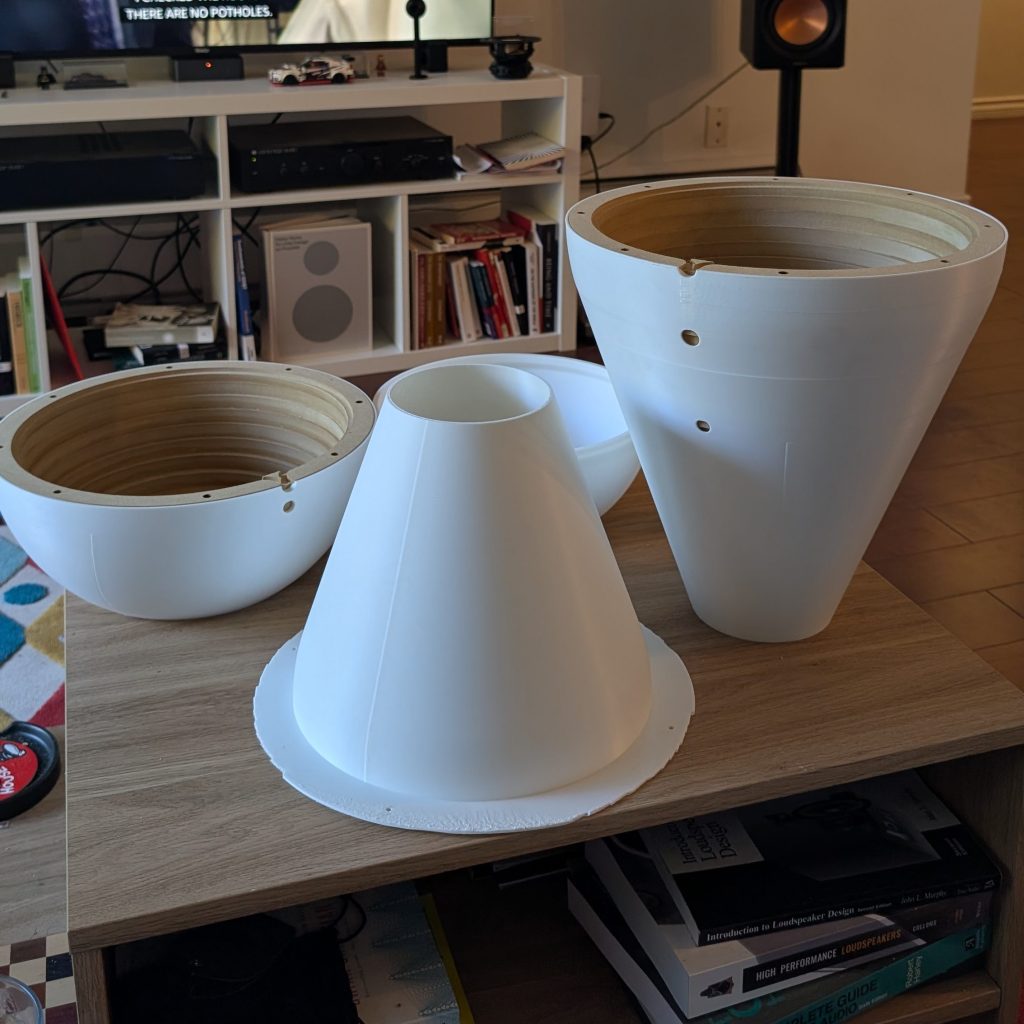
I cut the 35 MDF pieces on my Scienci Longmill MK2, and printed the plastic shell and mold lining on a Bambu H2D and my personal X1E. The wood took 12 hours to machine, and the total printing time was 40 hours.
Below is a video of me pouring the urethane, VytaFlex 30 by Smooth-On, into the interior of the front and rear baffle halves:
The fully assembled OPUS speaker had a wonderful character on and off-axis, being very warm and full even at 90 degrees, surely from the spherical body radiating evenly with a low port tuning of 50hz. It weighed nearly 15 kilograms once assembled, quite dense for a 12L enclosure.
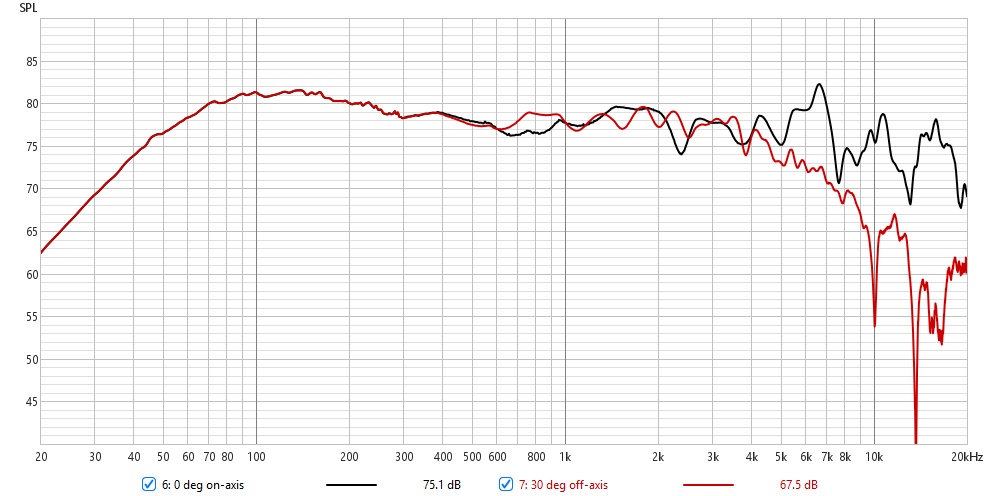
After combining 2″ near-field readings from the driver and port, as well as the 39″ far-field, results showed +- 3db performance from 50-7000 Hz, with a smooth drop-off in the low end and some chaotic behavior at higher frequencies. The low- and mid-range response was exactly as designed, but the highs lose control because one driver is handling the entire range. The mass air movement is low from a 4″ driver, so although it technically has proper bass extension, it is hard to feel it.
Future work is sizing up the driver to a 6″ as well as adding a compression driver with a tractrix horn so that a +-3db response can exist from 50-20000hz with sufficient driver Sd.
Horn design is something I am very excited about, and I’ve already designed a beamwidth-matched horn for the upcoming 2-way loudspeaker.
OPUS 2 coming…

